
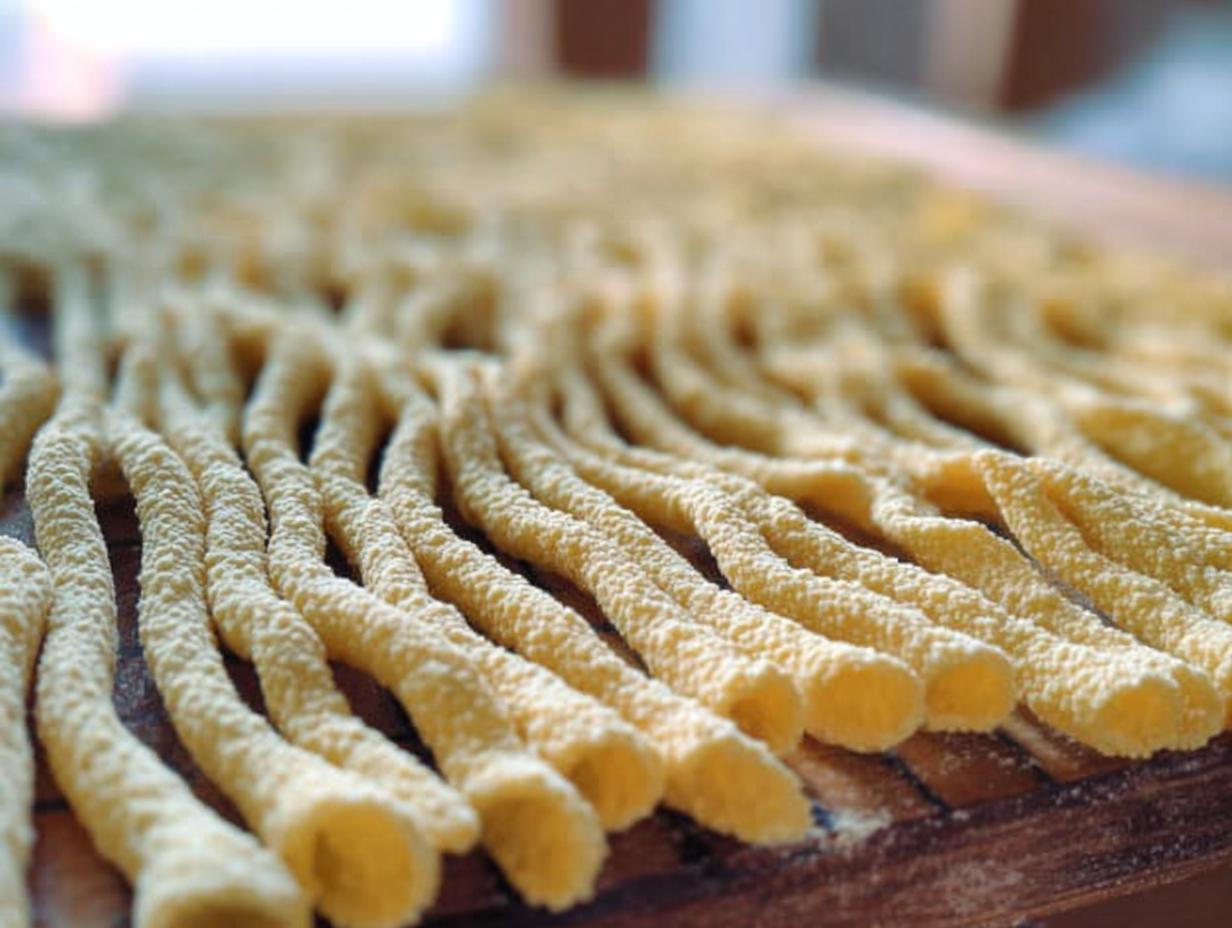
There’s just something magical about a plate of perfectly crafted homemade pasta, isn’t there? It feels like a culinary hug, a connection to tradition and pure deliciousness. If you’ve ever dreamt of elevating your pasta game, then getting the hang of How to Make Pasta Recipes Like a Pro (2025) is your ticket! It’s not just about fancy techniques; it’s about creating truly satisfying meals that fit your lifestyle. I’m Mark Williams, The Keto Performance Chef, and after hanging up my football cleats, I discovered this passion for creating incredible, healthy pasta dishes. Let me show you how it’s done!
Why Mastering How to Make Pasta Recipes Like a Pro (2025) Matters
Honestly, why bother making pasta from scratch when you can just buy it? Because, trust me, the difference is HUGE! Fresh pasta just has this incredible texture that store-bought stuff can’t touch – it’s tender, it’s got a perfect bite, and the flavor? Oh, it’s ten times better because you made it with love! It’s so satisfying knowing you created something so delicious from simple ingredients. For me, after ending my football career, I really craved that same feeling of accomplishment and comfort in the kitchen. Turning to pasta making, especially finding ways to make it fit my keto lifestyle, became my new game. It sparked this whole journey to create healthier, yet still incredibly satisfying, dishes. Learning How to Make Pasta Recipes Like a Pro (2025) isn’t just about cooking; it’s about rediscovering that joy and control in your meals. Head over to my recipes page for more inspiration!
Essential Tools for How to Make Pasta Recipes Like a Pro (2025)
Alright, so you want to make pasta like a chef, right? You don’t need a whole restaurant kitchen, but having a few key tools makes a world of difference. First up, a pasta machine. You can go for the classic hand-crank kind or a zippy electric one – both are fantastic for getting that perfect, even thickness. Then there’s the trusty rolling pin; it’s absolutely essential if you’re going the traditional route or for shaping things like lasagna sheets. Don’t forget a drying rack, or even just a clean, floured surface or back of a chair! It’s a lifesaver for making sure your shapes don’t stick into one big blob. Oh, and measuring cups and spoons are your best friends here for getting that dough just right. Check out this guide for more inspiration on what you’ll need!
The Foundation: Perfecting Your Pasta Dough
Okay, let’s get down to the nitty-gritty: the dough! This is where the magic really starts. Think of your ingredients as your starting lineup – you need the right ones in the right amounts to get a game-winning dough. For a simple, classic egg pasta, you’re usually looking at flour (I love using ’00’ flour if I can find it, but a good all-purpose works too!) and eggs. The eggs bring richness and that beautiful golden color. A little salt for flavor, and that’s often it! But the real secret? Letting it rest. Just like after a big game, your dough needs time to chill out and come together. You can find more awesome keto recipes like this on my site!
Ingredients for Your Perfect Pasta Dough
- 2 cups ’00’ flour, plus more for dusting
- 3 large eggs, at room temperature
- ½ teaspoon salt
Step-by-Step Pasta Dough Preparation
- Pile your flour onto a clean counter or into a big bowl and make a well in the center.
- Crack the eggs into the well and add the salt.
- Use a fork to gently whisk the eggs and salt, slowly drawing in the flour from the sides until a shaggy dough starts to form.
- Once it’s too thick to fork, use your hands to bring it all together. It might seem dry at first, but keep going!
- Knead the dough for about 8-10 minutes. It should get smooth, elastic, and slightly springy. It’s ready when it feels like a firm, yet pliable earlobe – nice and firm but with a little give!
- Wrap the dough tightly in plastic wrap and let it rest on the counter for at least 30 minutes. This lets the gluten relax, making it super easy to roll out later. Trust me, this resting step is non-negotiable!
Shaping Your Masterpiece: Techniques for How to Make Pasta Recipes Like a Pro (2025)
Alright, you’ve got your beautifully rested dough – now for the fun part: shaping it! Whether you’re using a pasta machine or going totally old school with a rolling pin, this is where your pasta starts to look like, well, pasta! If you’re using a machine, start with the widest setting and fold and pass the dough through a few times. Then, gradually decrease the setting, passing it through each one until you reach your desired thickness. For most pasta, like fettuccine or tagliatelle, I aim for a setting that’s just a notch above the thinnest. For ravioli or lasagna, you might go a step thinner. Keep the dough moving and dust it lightly with flour or semolina if it feels sticky. A common mistake beginners make is trying to roll the dough too thin too quickly, which can tear it. Be patient! If it resists, let it rest for another 5 minutes. You can find some amazing side dish recipes that pair perfectly with these pasta creations on my site!
Rolling the Dough to the Perfect Thickness
When rolling by hand, a good bench scraper is your best friend for keeping things moving and preventing sticking. Start by flattening your dough ball a bit, then begin rolling from the center outwards. Give the dough a quarter turn after each roll. Keep going until it’s thin and even. For machine rolling, work your way down the settings gradually. Remember, the dough should feel smooth and elastic, not tough or overly sticky. Aim for a thickness where you can almost see your hand through it for delicate strands, or a bit more substantial for things like lasagna sheets.
Cutting and Forming Your Pasta Shapes
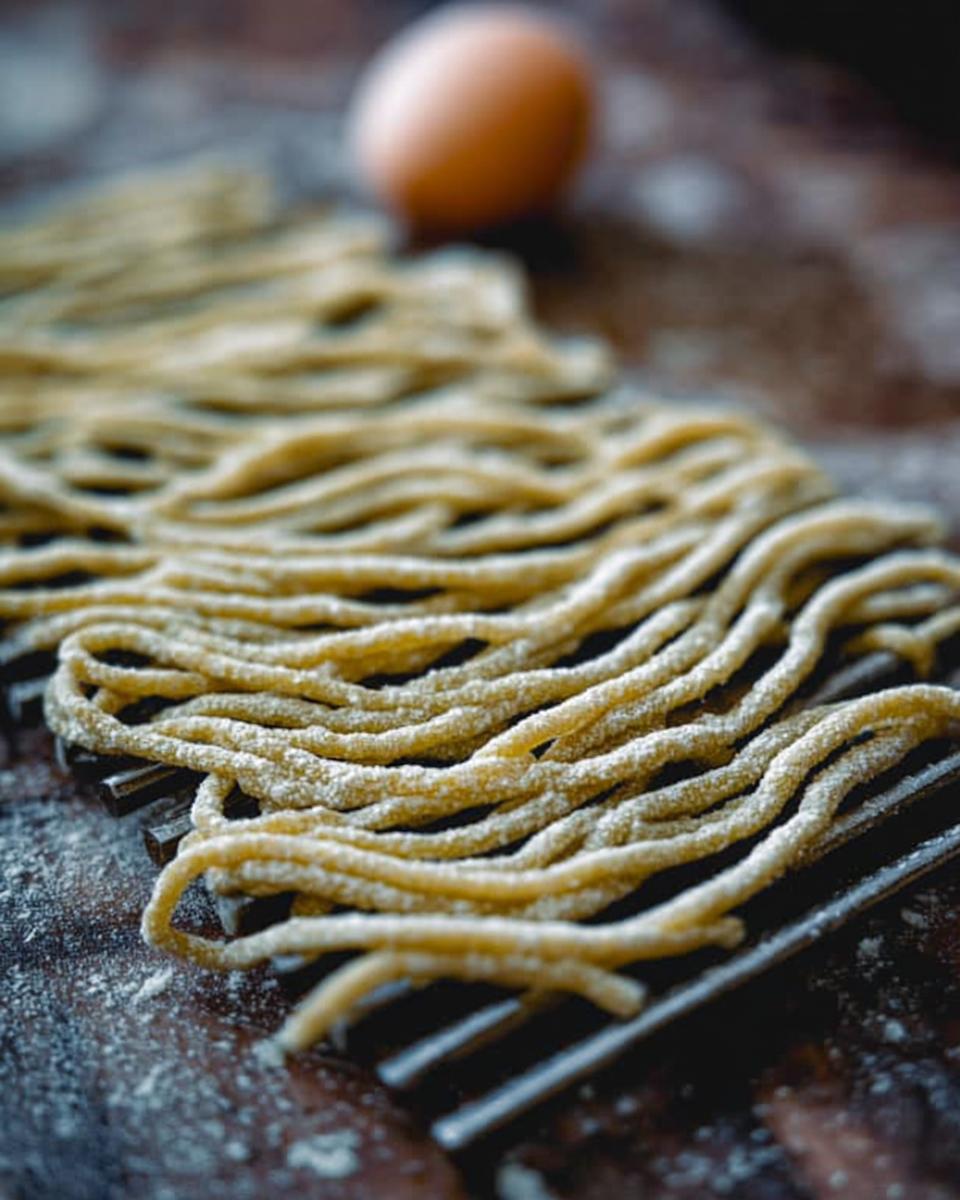
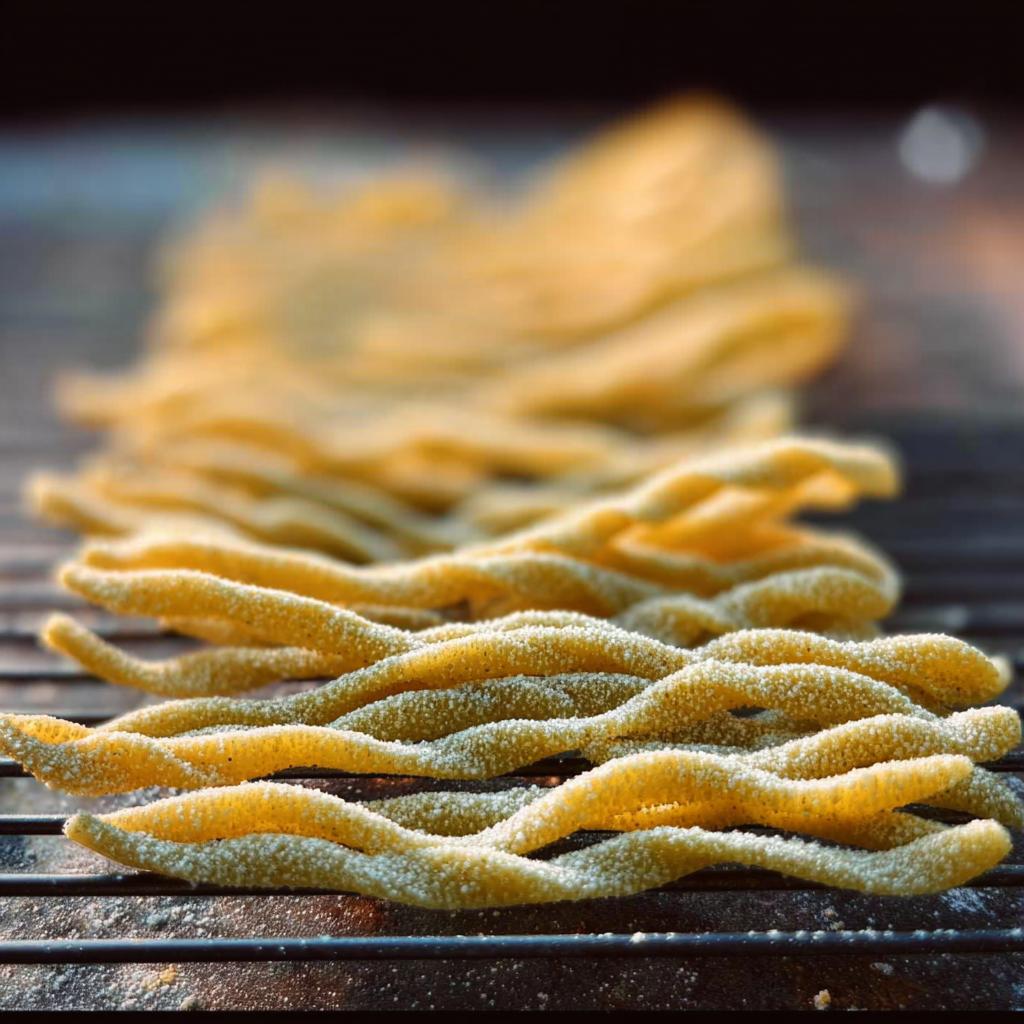
Once your dough is rolled thin, it’s time to cut! For long strands like spaghetti or fettuccine, you can use the cutting attachments on your pasta machine, or gently fold the sheet over itself a few times and slice it with a sharp knife. Toss that glorious pasta with a generous dusting of semolina – seriously, don’t skip this! It prevents the strands from becoming a sticky mess. For ravioli, you’ll cut out squares or circles, place your filling, and seal them. Lasagna sheets just need to be cut into rectangles. Each shape is a little work of art, and the semolina ensures they stay separate and ready for their saucy destiny.

Drying and Storing Your Homemade Pasta
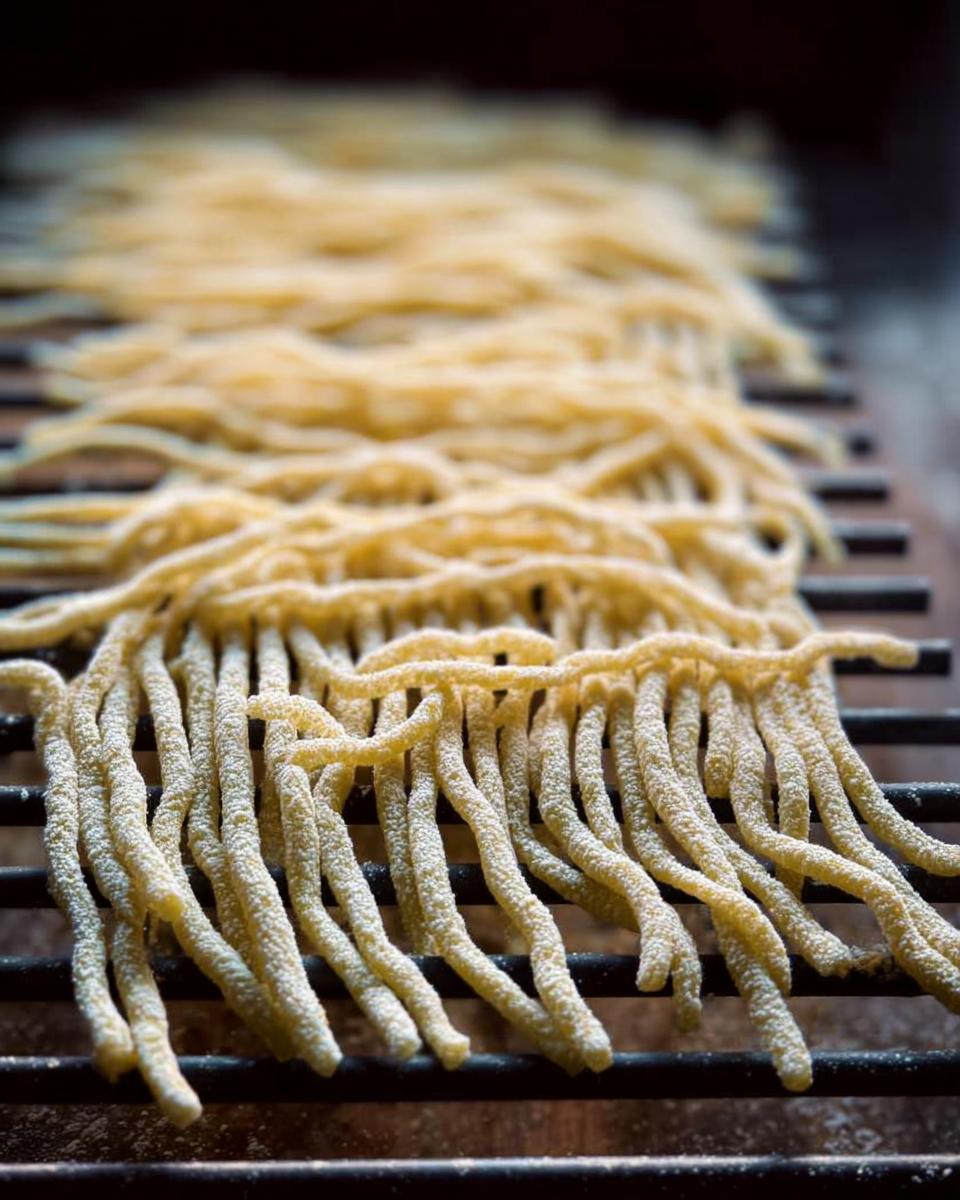
Okay, you’ve shaped your beautiful pasta! Now, what do you do with it? Well, you’ve got a couple of options. If you’re cooking it right away, you can totally just leave it on the counter for about 15-30 minutes to dry just a little before boiling. This helps it keep its shape. For longer drying, get yourself a pasta drying rack – they’re awesome! Or, you can drape strands over the back of a clean chair or even hang them from broom handles set up between two pots on the counter. Lay flat shapes like ravioli or lasagna sheets on parchment paper with a sprinkle of semolina. If you’re storing it for later, make sure it’s pretty dry – give it a few hours, or even overnight, depending on how humid it is. Once it’s dry, store it in an airtight container at room temp. Trust me, the best way to cook fresh pasta? Get that water boiling, salt it like the sea, and cook it for just a few minutes until it’s *al dente* – that’s Italian for ‘to the tooth,’ just a slight bite. Don’t you dare overcook it! You can find some awesome side dish recipes that go perfectly with pasta on my site!
Cooking Fresh Pasta Like a Pro
Alright, you’ve done the hard work of making and shaping your pasta, and now it’s time for the grand finale: cooking it! It’s super simple, really. You want a big pot of water, and don’t be shy with the salt – it should taste like the sea! Once it’s rolling and boiling like crazy, gently add your fresh pasta. It cooks way faster than dried pasta, usually just 2-4 minutes. Give it a gentle stir so it doesn’t stick. Seriously, watch it carefully; you want it *al dente*, which means it still has a slight bite. Overcooked pasta is just… sad. Serve it up immediately with your favorite sauce! For some great ideas on what to pair it with, check out my Thanksgiving side dishes – many would be delicious with pasta!

Tips for Delicious Keto Pasta Recipes
Making pasta doesn’t mean you have to ditch your keto goals! The beauty of pasta is its versatility, and you can totally create amazing keto-friendly dishes. If you’re working with a low-carb dough, think about using almond flour or a blend of keto flours. But honestly, one of the best ways to keep it keto is all about the sauce and what you pair it with. I love making super rich, creamy sauces using heavy cream, Parmesan cheese, and garlic – they coat the pasta perfectly and are totally guilt-free. And don’t forget those amazing sides! Check out my crispy Parmesan roasted red potatoes; they’re the perfect complement to a hearty keto pasta dish.
Frequently Asked Questions About Pasta Making
Got some burning questions about whipping up your own pasta? You’re in the right place! Making pasta from scratch can seem a little daunting at first, but trust me, these answers will clear things right up. Let’s dive in!
Can I make pasta without a machine?
Absolutely! You don’t need a fancy pasta machine to make amazing pasta. A good old-fashioned rolling pin and a sharp knife are all you really need. It takes a little more elbow grease to get the dough rolled out thin and even by hand, but so many incredible pasta shapes are totally doable without any machine at all. It’s a bit more rustic, but totally delicious!
How do I prevent my pasta from sticking?
This is SO important! The biggest trick is using enough dusting flour, usually semolina or just a bit of all-purpose flour, especially when you’re cutting and drying your pasta. Toss the cut shapes gently in the flour so they don’t cling to each other. Also, make sure your pot of boiling water is big enough and really, really bubbly when you add the pasta. A good stir right after you add it helps too!
What is the best flour for homemade pasta?
For that classic, tender pasta with a slightly chewy bite, ’00’ flour is often considered the gold standard. It’s finely milled and gives a super silky texture. However, a good quality all-purpose flour works wonderfully too, especially if you’re just starting out. If you’re going keto, almond flour or a keto-friendly blend is your best bet for the dough itself, though the texture will be different.
How long does fresh pasta last?
Fresh pasta is best enjoyed pretty soon after making it, ideally within a day or two if you store it properly in the fridge. Make sure it’s well-dusted with flour or semolina and kept in an airtight container. If you want to keep it longer, drying it out completely until it’s brittle lets you store it at room temperature for a couple of weeks, or you can freeze it! For more tasty ideas, check out my side dishes!
Understanding Pasta Dough Consistency
So, you’ve mixed your ingredients, but how do you know if that pasta dough is *just right*? This is where you really tap into that chef’s intuition! A perfect pasta dough should feel smooth and elastic, almost like a firm earlobe – it should bounce back slightly when you poke it. If it feels super sticky and is clinging to your hands like a burr, it’s probably too wet. Just gently knead in a little more flour, a tablespoon at a time, until it’s manageable. On the flip side, if it feels crumbly and won’t come together, it’s likely too dry. A little bit of water, just a teaspoon or so, drizzled in while you knead will work wonders. Don’t be afraid to get your hands in there; feeling the dough is the best way to learn! For some awesome sides to go with whatever pasta you create, check out my garlic herb roasted potatoes, carrots, and zucchini!
Estimated Nutritional Information
Alright, let’s talk numbers. When you’re making pasta from scratch, especially if you’re playing around with different flours or adding rich sauces, the nutritional values can really change. The recipe here is for the basic pasta dough itself, so think of it as a starting point. A typical serving of homemade pasta made with traditional ingredients might land somewhere around 200-300 calories, with a good chunk of those coming from carbohydrates, especially if you’re using regular flour. You’ll also get some protein and a bit of fat from the eggs (or whatever fat you use in your keto version!).
Keep in mind, these are just ballpark figures. The exact calories, fat, protein, and carbs will totally depend on the specific recipe you use for your dough, how big your servings are, and, of course, what delicious sauces and toppings you decide to pile on top! If you’re aiming for a keto pasta, using almond flour or coconut flour will drastically change those numbers, bringing down the carbs significantly. For the most accurate info, I always recommend using a nutrition calculator with the exact ingredients and measurements you personally use. Need some awesome sides to go with your pasta that are already worked out? Check out my crispy crunchy Parmesan potatoes recipe!
How to Make Pasta Recipes Like a Pro (2025)
Ingredients
Equipment
Method
- Prepare your pasta dough using a reliable recipe. An egg-based dough is recommended.
- Allow the dough to rest for at least 30 minutes. This is crucial for texture.
- Decide on your pasta shape and the equipment you will use. You can use a rolling pin or a pasta machine.
- Roll out the dough. If using a machine, follow its instructions. If rolling by hand, aim for an even thickness.
- Cut the pasta into your desired shapes. This could be for lasagna, ravioli, spaghetti, or other forms.
- Dust the cut pasta pieces with semolina to prevent them from sticking together.
- Dry the pasta. Spread it out on a clean surface, a rack, or hang it. Allow at least 30 minutes for drying, or longer if preparing ahead for a later meal.
- Cook the fresh pasta immediately after drying or store it for later use.