
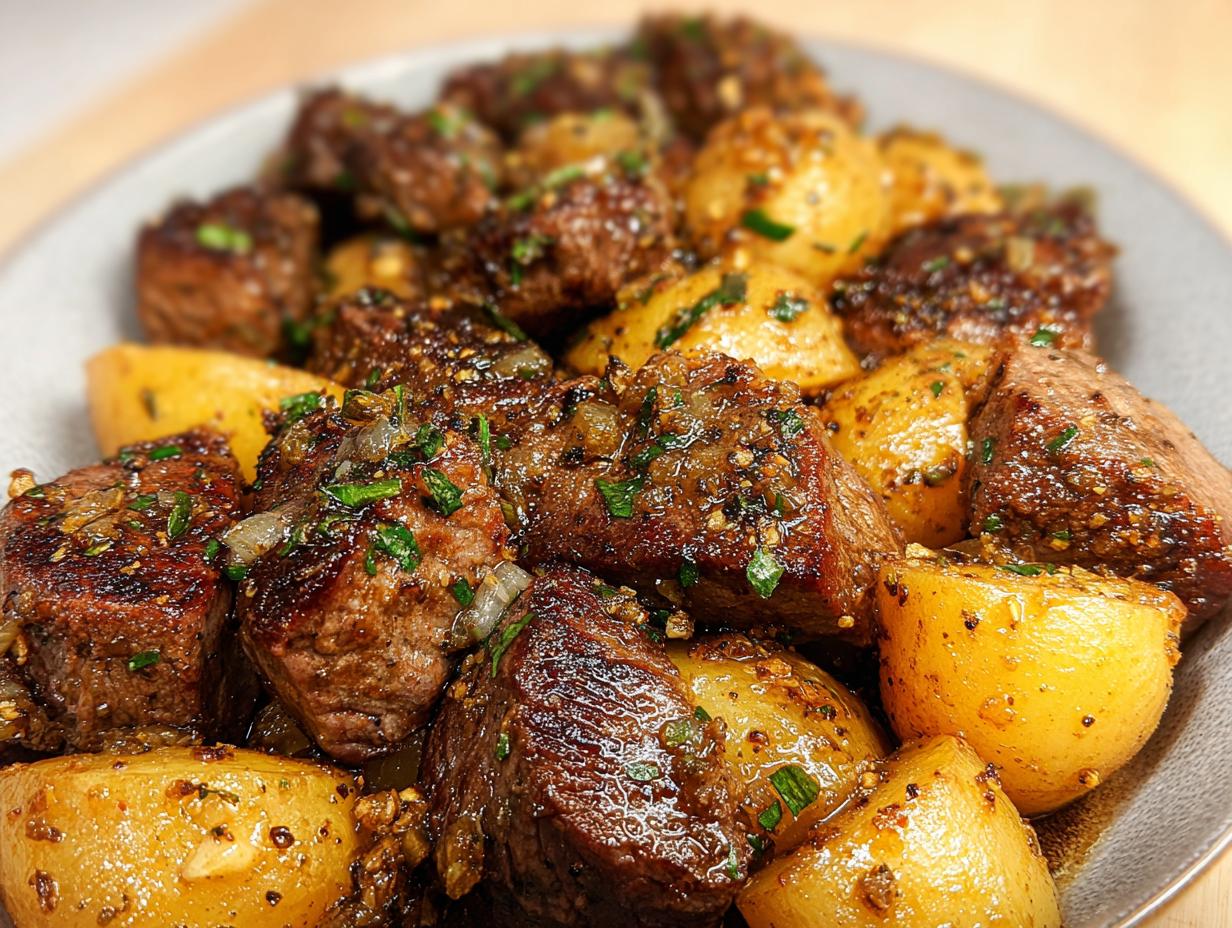
Oh, you know those nights, right? The ones where you’ve absolutely crushed your workout or just had a marathon day of meal prepping, and your stomach is rumbling for something *real*? Something that feels totally indulgent but still keeps you on track? That’s exactly how I felt one evening, staring into my pantry with just some steak and a bag of potatoes. It sparked an idea, and soon, what I developed became The best Garlic Steak Bites and Potatoes Recipe. It’s that perfect mix – totally satisfying, packed with flavor, and still performance-focused. It’s hearty, it’s comfort food, and it’s a dish that reminds me of feasting with my college teammates after a brutal game. Super quick, super yummy, and it fuels you up right!
Why You’ll Love This Garlic Steak Bites and Potatoes Recipe
Seriously, this recipe is a game-changer. Here’s why:
- Super Speedy: We’re talking about a delicious, satisfying dinner on the table in about 35 minutes. Perfect for those crazy weeknights!
- Crazy Easy: It uses simple ingredients and straightforward steps, so even if you’re not a seasoned chef, you’ll nail it.
- Flavor Explosion: That garlic butter with the savory steak and tender potatoes? Pure magic. It’s comfort food that actually tastes *amazing*.
- Performance Fuel: It’s hearty and satisfying without being heavy. Great for refueling after a workout or just powering through your day.
Ingredients for The best Garlic Steak Bites and Potatoes Recipe
Alright, let’s get down to what you’ll need for this absolute winner of a meal. These are the stars of the show:
For the Steak and Potatoes
- Salt: 3 teaspoons (plus more if you like it!). We’re seasoning this generously!
- Garlic Powder: 2 teaspoons. Because, garlic, obviously.
- Onion Powder: 2 teaspoons. Adds a lovely depth.
- Italian Seasoning: 2 teaspoons. Gives it that savory flair.
- Paprika: 2 teaspoons. For color and a little something extra.
- Cubed Steak: 2 pounds. Think sirloin or New York strip – something that sears up nicely. Cut into bite-sized pieces!
- Yukon Gold Potatoes: 2 pounds. Peel ‘em and cut ‘em into small, bite-sized cubes. Tiny little guys so they cook fast and get nice and crispy.
- Worcestershire Sauce: 2 tablespoons. This is a flavor powerhouse.
- Browning Sauce: 1 tablespoon (optional, but it makes things look extra pretty!).
- Olive Oil: 2 tablespoons. For getting everything beautifully seared.
For the Garlic Butter
- Unsalted Butter: 6 tablespoons. Make sure it’s softened up – this makes mixing way easier!
- Parsley: 2 tablespoons. Freshly chopped is best here.
- Minced Garlic: 2 tablespoons. The more garlic, the better, right?
- Salt: 1 teaspoon. Just a pinch to round out the butter.
For Garnish
- Fresh Parsley: A little extra for sprinkling on top. Looks so good!
- Red Pepper Flakes: Just a pinch if you like a little bit of a kick.
Essential Equipment for Making Garlic Steak Bites and Potatoes
You don’t need a whole kitchen arsenal for this one! Here are the main players:
- Small bowls: Handy for mixing up those spice blends and the delicious garlic butter.
- Large bowl: For getting all those steak bite and potato flavors mixed in perfectly.
- Large skillet: This is where all the magic happens! A good-sized skillet means you can sear everything properly without overcrowding.
Step-by-Step Instructions for The best Garlic Steak Bites and Potatoes Recipe
Okay, deep breaths! This is where the magic happens. It’s actually super simple once you see it laid out. Get ready for that amazing aroma to fill your kitchen! We’ll be making these delicious garlic butter steak bites and potatoes using simple steps.
First things first, let’s get our spice mixes ready. In a small bowl, whisk together the salt, garlic powder, onion powder, Italian seasoning, and paprika. Think of this as your flavor base! Now, carefully split that whole mix right down the middle. You need one half for the steak and the other for the taters. Set ‘em aside for a sec.
Next up, that glorious garlic butter! Grab another small bowl. Mash that softened butter with the chopped parsley and minced garlic. Add that teaspoon of salt. Mix it all up until it’s nice and combined. I like to use a fork for this; it really helps get everything blended perfectly. Set this heavenly mixture aside too.
Now for the steak! Get a big bowl and toss in your cubed steak pieces. Drizzle over the Worcestershire sauce and that optional browning sauce if you’re using it. Add half of that amazing spice mix we made earlier. Get your hands in there (seriously, it’s the best way!) and toss everything around until every single piece of steak is coated beautifully. You want that deep, flavorful rub all over!
Time for the potatoes! Grab your cubed Yukon Golds and pop them into a pot of boiling water. We’re not cooking them all the way through here, just a quick parboil for about 5 to 6 minutes. You want them to start to get a little tender, but still hold their shape. Drain ‘em off really well. Once they’ve cooled down just enough to handle, put them in a bowl along with the other half of your spice mix and 1 tablespoon of olive oil. Give ‘em another good toss so they’re all seasoned up.
Let’s get cooking! In a large skillet, heat that remaining tablespoon of olive oil over medium-high heat. You want it nice and hot – you’ll hear it sizzle when the steak hits the pan. Carefully add your seasoned steak bites in a single layer. Don’t crowd the pan! Sear them for about 5 to 7 minutes, turning them occasionally, until they’re beautifully browned on all sides. Don’t worry if they’re not cooked all the way through; they’ll finish with the potatoes. Once browned, scoop those steak bites onto a plate and set them aside. You can find more ideas for steak and potatoes at this other site.
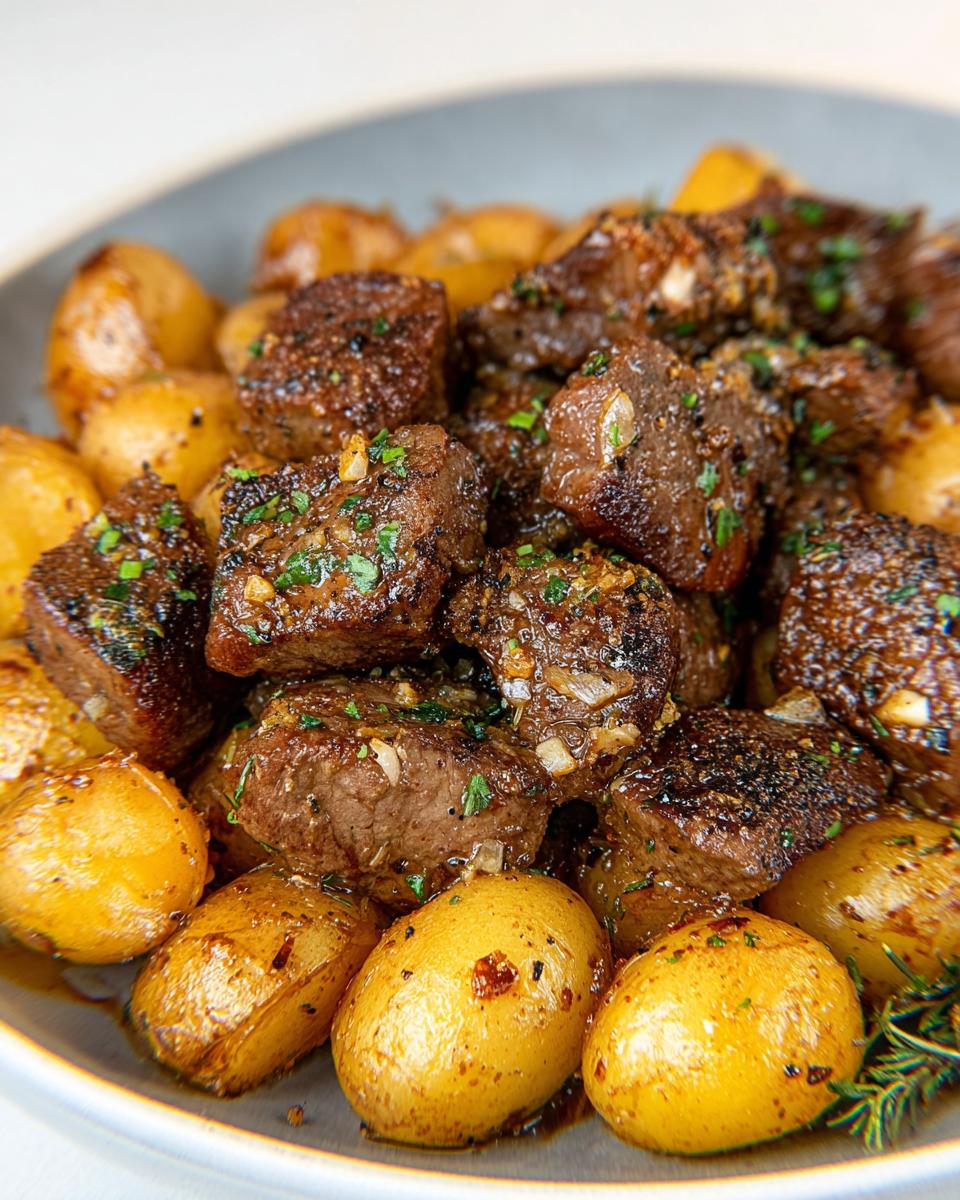
In the same skillet (no need to clean it, that’s where all the good flavor is!), add your seasoned potatoes. Cook them over medium-high heat for about 10 to 15 minutes, stirring them now and then. You’re looking for that gorgeous golden-brown color and for them to be nice and tender when you poke them with a fork.
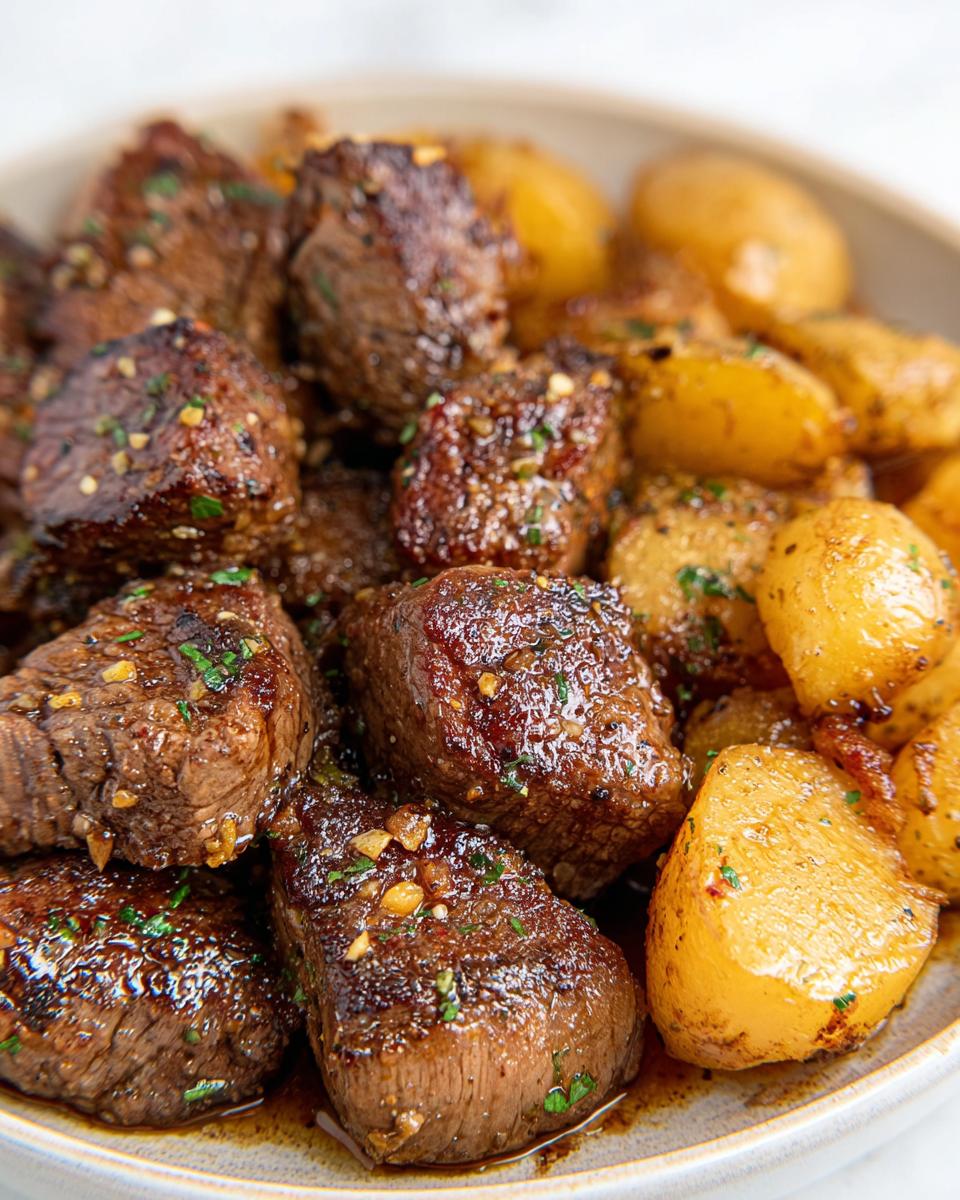
The grand finale! Add the seared steak bites back into the skillet with the perfectly cooked potatoes. Now, spoon in that incredible garlic herb butter you made earlier. Stir everything together gently, making sure those steak bites and potatoes get coated in all that buttery, garlicky goodness. Let it bubble for just a minute or so until everything is heated through and the butter has melted into a delicious sauce. Sprinkle with your fresh parsley and those red pepper flakes if you’re feeling a little spicy. Boom! Dinner is SERVED!
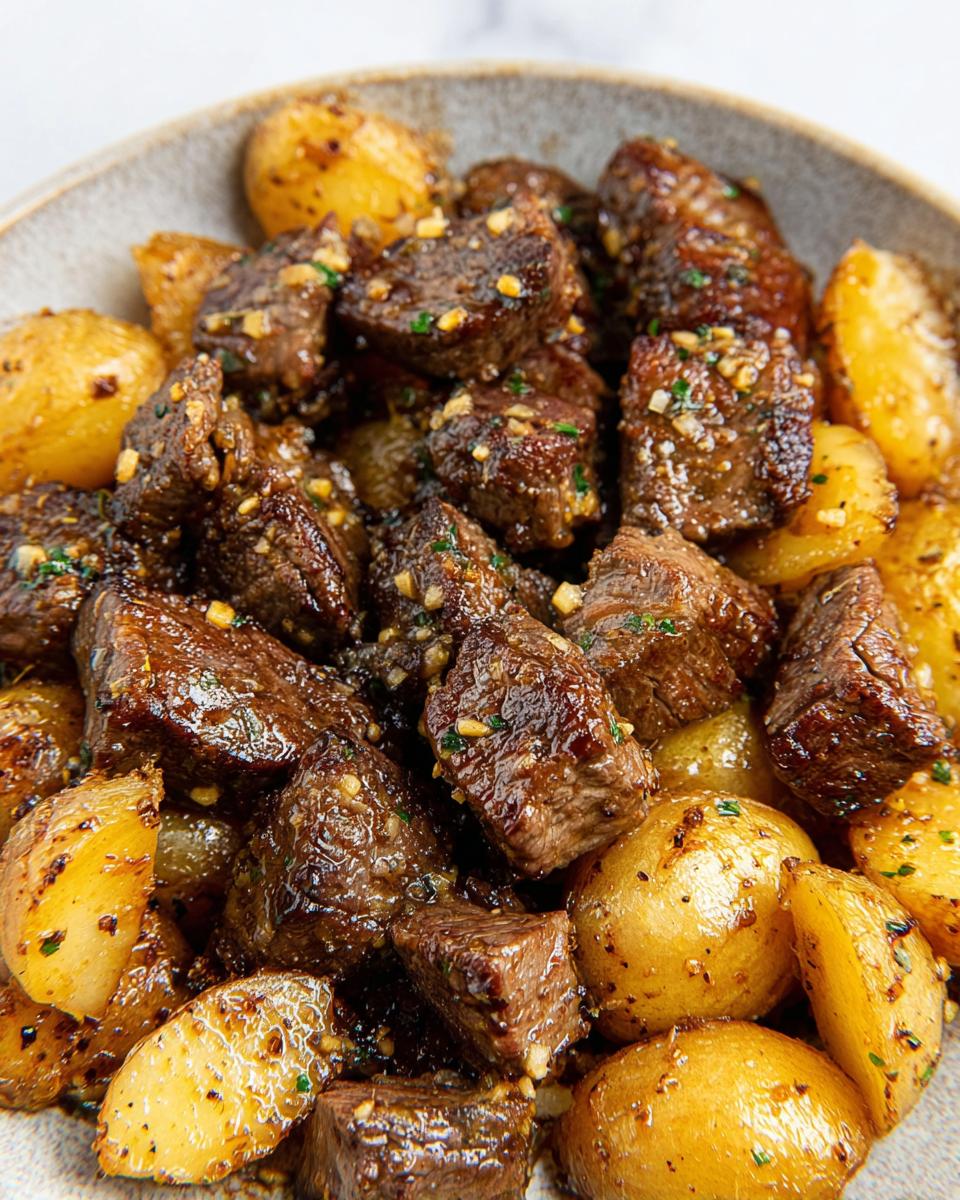
Tips for Perfect Garlic Steak Bites and Potatoes
So, you want these to be *chef’s kiss* perfect? Trust me, a few little tricks make all the difference. As your Keto Performance Chef, I live for these details!
When you’re searing the steak, make sure that skillet is nice and hot before the meat hits it. That’s how you get that gorgeous brown crust without overcooking the inside. And don’t overcrowd the pan! If you have to cook your steak in batches, do it. It’s way better than steaming your beautiful steak bites when you want that perfect sear.
For those potatoes, parboiling is key, but don’t overdo it! You want them to be *just* starting to soften. That way, when they hit the hot skillet with the steak and butter, they’ll get wonderfully crispy on the outside while staying tender inside. And seriously, don’t skip tossing them with that spice mix and olive oil after draining – it makes a huge difference!
Ingredient Notes and Substitutions
Let’s talk ingredients! For the steak, feeling adventurous? You can totally swap out the cubed sirloin or NY Strip for a nice flank steak or even some tender tri-tip, just make sure to cut it against the grain after cooking for maximum tenderness. And for the potatoes, if Yukon Golds aren’t calling your name, red potatoes or even fingerlings cut small will work just beautifully. They’ll give you that lovely starchy goodness we’re after!
The best Garlic Steak Bites and Potatoes Recipe
This recipe delivers a quick, delicious, and satisfying meal that balances hearty ingredients with a focus on flavor. It’s perfect for home cooks looking for a crowd-pleasing dinner option.
Our family’s beloved carrot pound cake recipe turns basic ingredients into a rich, dense dessert quickly. The magic happens in under an hour. This cake’s signature texture comes from a perfect balance of ingredients – especially the blend of seven eggs and fresh butter.
The cake’s flavor deepens beautifully overnight. Warm spices like cinnamon, nutmeg, and ginger blend together perfectly. Crushed pineapple adds unexpected moisture and creates a unique taste that makes this recipe special. Many modern versions exist now. My grandmother’s recipe with its cream cheese glaze remains our family’s favorite at gatherings and holiday celebrations, especially during Easter.
The Story Behind Grandma’s Carrot Pound Cake
Every family recipe tells a story, and our carrot pound cake holds decades of cherished memories in its moist, spiced crumb. This recipe stands apart from ordinary desserts. It represents our family gatherings and the woman who created it.
Why this recipe means so much to our family
Sunday afternoons at Grandma’s house always featured this special carrot pound cake on her vintage cake stand. The recipe became our family’s love language. We celebrated milestones and comforted each other with it during tough times.
The carrot pound cake appeared at my sister’s college graduation. It waited for cousin Tom when he returned from overseas. We even chose it over a traditional tiered cake at my wedding. The familiar scent of cinnamon and nutmeg takes us back to her kitchen. We gathered around the farmhouse table and shared stories there.
My children now see this dessert as a sign of special occasions. This recipe connects four generations of bakers in our family. The handwritten recipe card has spots of vanilla extract and butter stains. Each time I use it, I feel Grandma’s presence guiding my hands through the familiar steps.
How Grandma developed her version of carrot cake pound cake
Grandma’s experience with this recipe started in the 1950s during a tough harvest season. She had plenty of carrots but limited pantry items. She needed something special for the church social. She tried a traditional carrot cake first but didn’t like its delicate structure.
“Cakes should stand tall and proud,” she always said. She started testing different versions by adding elements from her famous pound cake. She used a seven-egg formula that created the perfect density. She made a breakthrough when she cut back on leavening agents and added more fat. This created a sturdier yet tender crumb.
She brilliantly added crushed pineapple out of necessity. One spring, apples weren’t available for moisture, so she used canned pineapple from her pantry. The subtle tartness matched the sweet carrots perfectly. She shared dozens of test batches with willing neighbors. She ended up finding the exact measurements of dark brown sugar and butter that became her signature.
Grandma kept improving the spice blend. She found the perfect mix of cinnamon, nutmeg, and ginger mentioned in our family cookbook. The cream cheese glaze came later, inspired by a women’s magazine in the 1970s. She often preferred a simple dusting of powdered sugar on top.
This recipe shines not just because it tastes incredible. It shows Grandma’s resourcefulness, creativity, and love for feeding those around her.
Grandma’s Secret Ingredients and Why They Matter
The magic of Grandma’s carrot pound cake comes from her technique and her strict rules about certain ingredients that she wouldn’t change or substitute. My search through her handwritten recipe cards showed ingredients underlined twice – her way of saying “don’t even think about changing these.”
Freshly grated carrots for moisture and texture
Grandma would scoff at pre-shredded carrots from the grocery store. “Those dry little sticks?” she’d say with a dismissive wave. She grated carrots by hand right before mixing them into the batter. Fresh carrots release natural moisture while baking and create that distinctive tender crumb that makes carrot pound cake so special.
I can still picture her orange-stained knuckles as she worked the box grater. She never wanted help because she needed to “feel” when the carrots were perfect. The medium holes were her choice – not too fine to disappear in the batter, not too coarse to stay crunchy after baking. This careful attention meant every bite had visible orange specks, a true mark of authentic carrot pound cake.
The role of pineapple and raisins in her original recipe
“Secret weapons,” Grandma called them. Crushed pineapple brings a subtle tang that balances the cake’s sweetness. The extra moisture keeps the pound cake fresh even days after baking.
Grandma’s raisins had to soak in warm water (or bourbon for adult parties) before going into the batter. This step stops them from pulling moisture from the cake. She roughly chopped them too – “so they surprise you in every few bites rather than overwhelming the cake.”
Why she always used dark brown sugar and real butter
“Baking with white sugar is like singing without vibrato,” Grandma often remarked. Dark brown sugar’s higher molasses content adds rich complexity that white sugar can’t match. These caramel notes blend perfectly with the carrots’ natural sweetness.
Real butter stood as the most important rule in Grandma’s kitchen. She’d roll her eyes at margarine advertisements and mutter about “newfangled substitutes.” Butter adds richness and helps structure the carrot pound cake. Her method of creaming it with sugar made tiny air pockets that expanded during baking, giving her cake its unique dense-yet-light texture.
Years of baking proved that these core ingredients – handled with care – turn a simple carrot pound cake into something magical.
Step-by-Step: How Grandma Made It Perfect Every Time
My grandmother’s kitchen became her canvas, and watching her work was like seeing an artist create a masterpiece. Her carrot pound cake technique was way beyond the reach and influence of a simple recipe. She combined intuition, precision, and time-honored methods that passed through generations.
Creaming butter and sugar the old-fashioned way
The foundation of her carrot pound cake demanded patience. “This step makes or breaks your cake,” she’d remind me while setting butter out hours before baking. The butter’s consistency needed to be just right – soft enough to leave an indent with one finger, yet slightly cool without becoming greasy or melted.
She grabbed her wooden spoon and sturdy mixing bowl to beat the butter until smooth. Dark brown sugar went in gradually as she worked with purpose until the mixture turned pale yellow and fluffy. “When it’s right, it looks like whipped honey,” she’d say. The process took 2-3 minutes by hand, creating those vital air bubbles that gave the carrot pound cake its perfect texture.
Alternating dry and wet ingredients for balance
“Add everything at once, and you’ll end up with cement, not cake!” came her warning. She followed a strict pattern with her carrot pound cake, alternating between dry ingredients and liquid. The dry mixture always started and finished the process.
This method kept the batter from separating and becoming dense. She explained how adding all liquid at once would oversaturate the creamed butter mixture. Dumping all dry ingredients risked overmixing and developing too much gluten. Each addition required just enough stirring to combine, with some flour streaks visible until the final mix.
How she tested doneness without a thermometer
The toothpick test served as just the beginning. “Cakes talk to you if you listen,” she always insisted. She looked for signs that the carrot pound cake had pulled slightly away from the pan’s edges – a good indication of readiness.
Her signature touch test followed, as she pressed gently with fingertips to feel for springy resistance. A thin knife near the center completed her check. “Moist crumbs are what you want,” she’d say, “not wet batter, but not bone-dry either.” This three-step verification ensured her carrot pound cake achieved the perfect balance – fully baked yet irresistibly moist.
Modern Tweaks That Still Honor the Original
My grandmother’s time-tested techniques are precious, and I’ve found modern methods that keep her carrot pound cake recipe authentic. These small changes make baking easier without losing the amazing taste and texture she worked so hard to perfect.
Using cake goop or parchment for easy release
My grandmother always used butter and flour to prepare her cake pans. I’ve found that homemade cake goop gives me perfect results every time. This simple mixture needs equal parts flour, vegetable oil, and shortening (or margarine) mixed into a smooth paste. A thin layer applied with a silicone brush works great, especially in the detailed crevices of my Bundt pan.
High-sugar recipes like carrot cake can be tricky with sticking. Adding a parchment circle to the bottom of larger pans gives you extra protection. This method, which some people call “homemade pan release,” works perfectly with my grandmother’s recipe and saves you from dealing with broken cakes.
Optional cream cheese glaze vs Grandma’s simple dusting
My grandmother loved a simple dusting of powdered sugar on her carrot pound cake. The cream cheese glaze became popular in the 1970s, and it’s a delicious addition. You can make a simple glaze by beating cream cheese until smooth, then adding powdered sugar, vanilla, and just enough milk to make it pourable.
The glaze gets even better with orange zest and juice for special occasions. These flavors work beautifully with the carrot’s natural earthiness. You can leave the glaze at room temperature since its high sugar content acts as a preservative.
How to adapt the recipe for loaf pans or Bundt pans
My grandmother’s carrot pound cake recipe works great in different pans. A classic 10-cup Bundt pan needs about 42 ounces of batter. Deeper pans like loaf pans need more time in the oven because heat takes longer to reach the center.
Loaf pans work best with parchment paper hanging over the edges for easy removal. Moving between different pan sizes is simple once you know the volume or surface area. A 9×13 inch pan’s batter fits perfectly into two 9-inch round pans.
Conclusion
Our family’s legacy of love shines through Grandma’s carrot pound cake recipe. She first mixed seven eggs with freshly grated carrots decades ago. Her meticulous approach to ingredients and technique still teaches younger generations about patience and precision in the kitchen today.
Grandma knew exactly what she was doing. The cake remains unmatched thanks to fresh ingredients, careful temperature control, and her methodical mixing method. Modern tools like cake goop and parchment paper simplify the baking process now, but her recipe’s essence stays true to its roots.
This carrot pound cake shows how cherished family recipes can grow without losing their heart. The familiar scent of cinnamon and nutmeg fills my kitchen as I bake it now. My kids instantly recognize these aromas that connect them to their great-grandmother’s creative spirit from those simple harvest days. Whether I stick to her classic powdered sugar dusting or add a cream cheese glaze, each batch brings back memories of those sweet Sunday afternoons in her kitchen.
FAQs
What makes this carrot pound cake recipe special?
This carrot pound cake recipe is special because it’s a family heirloom, developed by Grandma in the 1950s. It features a unique combination of seven eggs and fresh butter for perfect texture, along with freshly grated carrots, crushed pineapple, and dark brown sugar for exceptional flavor and moisture.
How do you ensure the carrot pound cake turns out moist?
The key to a moist carrot pound cake is using freshly grated carrots, which release natural moisture during baking. Additionally, the recipe includes crushed pineapple, which adds extra moisture and prevents the cake from drying out, even days after baking.
Can I use pre-shredded carrots for this recipe?
It’s best to avoid pre-shredded carrots and instead grate them fresh just before mixing into the batter. This ensures maximum moisture and the right texture. Grate the carrots on medium-sized holes for visible orange specks in each bite.
What’s the secret to the perfect texture in this carrot pound cake?
The perfect texture comes from properly creaming the butter and sugar, alternating dry and wet ingredients while mixing, and using the right proportion of eggs and butter. The creaming process creates tiny air pockets that expand during baking, resulting in a dense yet light texture.
How can I adapt this recipe for different pan sizes?
The recipe can be adapted for various pan sizes. For a standard 10-cup Bundt pan, you’ll need about 42 ounces of batter. When using loaf pans, line them with parchment paper and adjust baking times as deeper pans require longer baking. You can also split the batter between two 9-inch round pans if you prefer.
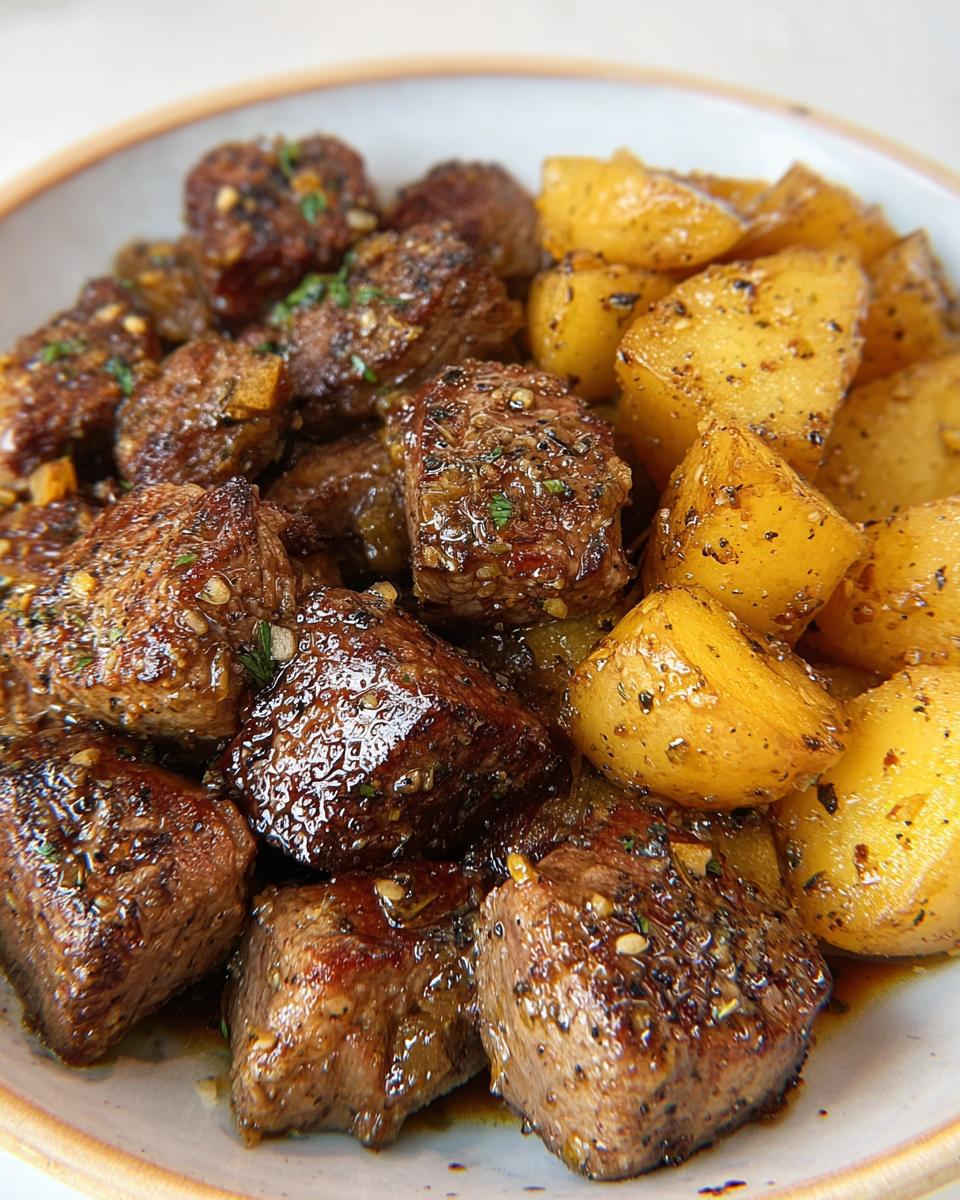
Serving Suggestions for Your Steak Bites and Potatoes
Now, what to serve alongside these incredible garlic steak bites and potatoes? My philosophy is to keep it simple and let the main dish shine! A nice, crisp mixed green salad with a light vinaigrette is always a winner. It adds a fresh counterpoint to the rich flavors. If you’re looking for more veggies, some steamed or roasted asparagus or simple sautéed green beans are fantastic choices. Honestly, anything from our collection of healthy meals can complement this dish perfectly!
Storage and Reheating Instructions
Got leftovers? Lucky you! Store any extra steak bites and potatoes in an airtight container in the fridge for up to 3 days. When you’re ready for round two, gently reheat them in a lightly oiled pan over medium-low heat, or pop them in a preheated oven at 350°F for about 8 to 10 minutes until they’re warmed all the way through. Best enjoyed when they’re still tender and flavorful!
Frequently Asked Questions about The best Garlic Steak Bites and Potatoes Recipe
Can I use a different cut of steak?
Absolutely! While the recipe calls for cubed steak like sirloin or New York strip because they’re great for quick searing, you can totally use other cuts. Flank steak, skirt steak, or even a nice tender tri-tip cut into bite-sized pieces will work wonderfully. Just remember to cut thicker steaks against the grain for tenderness, especially if you’re using leftovers!
How can I make the potatoes extra crispy?
Great question! For super crispy potatoes, make sure they’re really dry after parboiling before you toss them with the seasoning and oil. Also, don’t overcrowd the skillet when you cook them – give them space so they can actually *sear* and get that golden, crispy edge. A hot pan is your best friend here!
Can I make this recipe ahead of time?
This dish is definitely best enjoyed fresh, straight from the skillet, so you get that perfect sear on the steak and maximum crispiness on the potatoes. However, you *can* parboil the potatoes and chop the steak ahead of time to save you a few minutes on cooking day. Just store them separately in the fridge. The garlic butter can also be prepped and stored!
Is this recipe low-carb or keto-friendly?
While this recipe is incredibly delicious and uses fantastic flavor combos, it does include potatoes, which are higher in carbs. If you’re strictly following a keto or low-carb diet, you might want to swap the Yukon Golds for cauliflower florets seasoned the same way, or serve the steak bites over a big bed of greens. You can easily adapt it, and it’s still a winner for our easy dinner recipes collection! And if you’re looking for dessert inspiration, check out our keto-friendly desserts!
Nutritional Information (Estimated)
Just a heads-up, the nutrition for this amazing dish is an estimate, and it can tweak a little depending on exactly what you use! But generally, you’re looking at around 365 calories per serving. This includes a good chunk of healthy fats, plenty of protein to keep you fueled, and a moderate amount of carbohydrates from those yummy potatoes. It’s a fantastic balance for a satisfying meal!
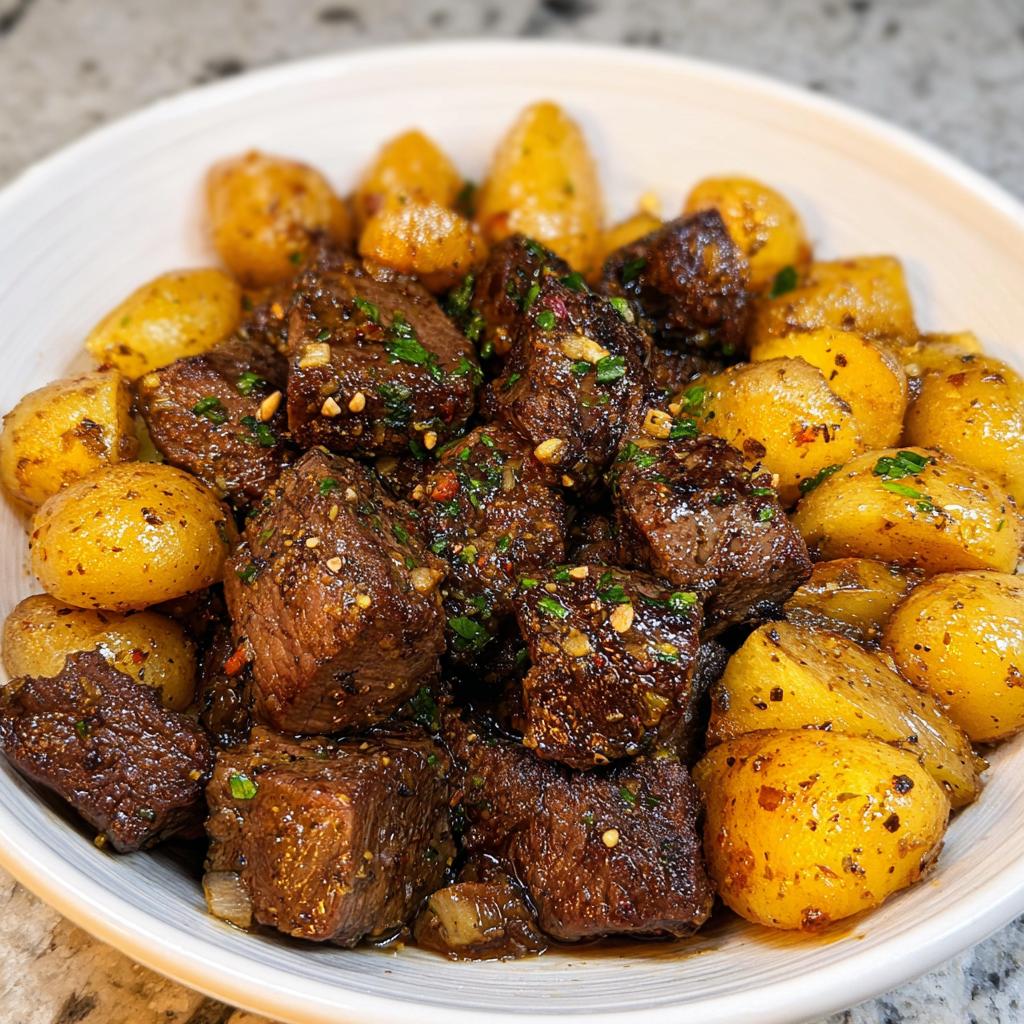
The best Garlic Steak Bites and Potatoes Recipe
Ingredients
Equipment
Method
- In a small bowl, mix together the salt, garlic powder, onion powder, Italian seasoning, and paprika. Divide the mixture evenly into two equal portions, then set aside.
- In another small bowl, mix together the softened butter with the minced garlic and fresh herbs, until well combined. Set aside.
- In a large bowl, combine the cubed beef with the Worcestershire sauce, browning sauce (if using), and half of the spice mixture. Toss until the beef is evenly coated all over.
- Parboil the diced potatoes in boiling water for 5 to 6 minutes, just until they begin to soften. Drain and set aside. Once cooled, season them with the other half of the seasoning mixture and 1 tablespoon olive oil. Toss to coat all over.
- In a large skillet set over medium-high, heat the remaining tablespoon oil. Once hot, sear the steak for 5 to 7 minutes until browned on all sides. Transfer to a plate and set it aside. In the same skillet, add the parboiled potatoes and cook over medium-high heat for 10 to 15 minutes, stirring occasionally, until the potatoes are golden and fork-tender.
- Add the steak back to the skillet with the potatoes, then stir in the garlic herb butter. Toss everything together, ensuring the steak and potatoes soak up all the buttery goodness. Garnish with red pepper flakes and parsley.