
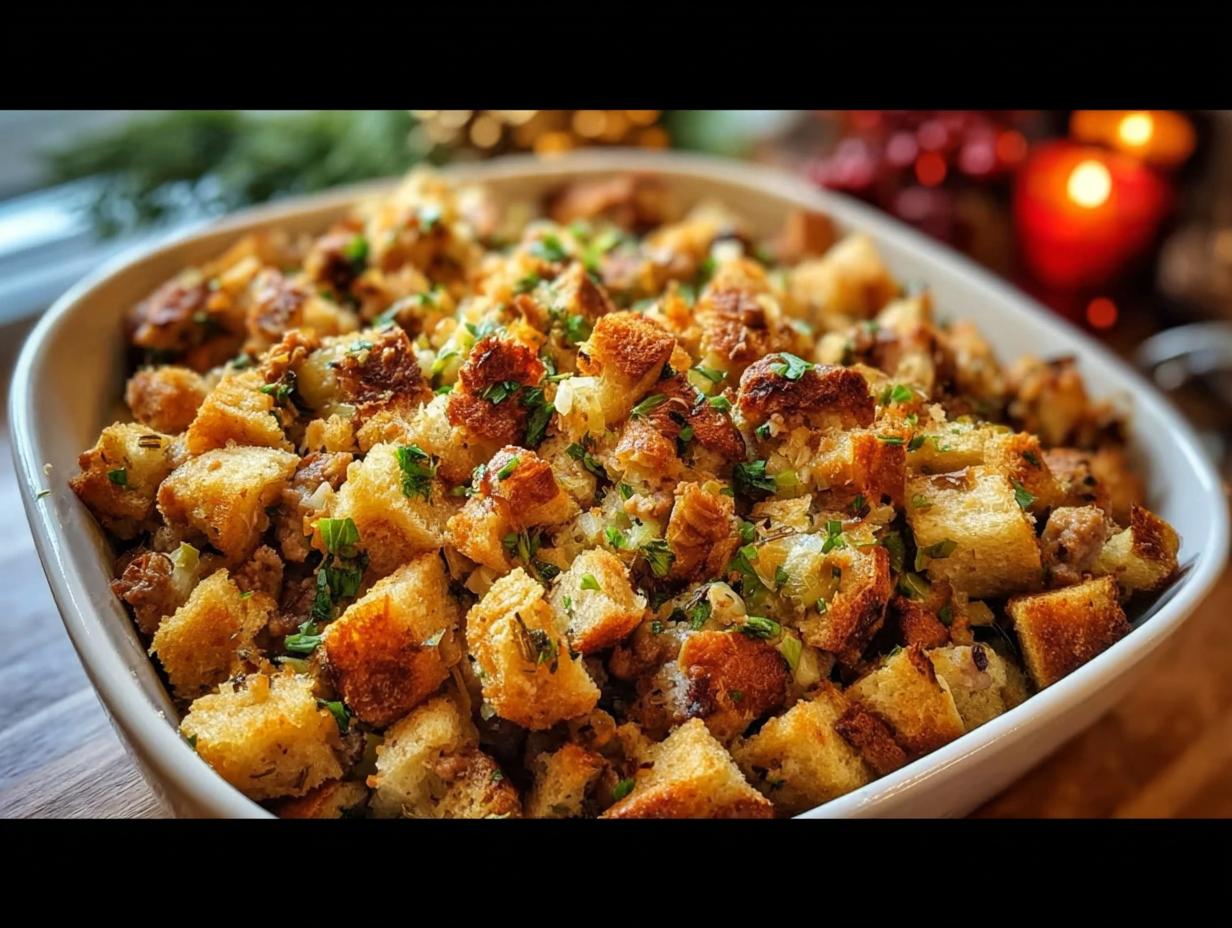
Oh, stuffing! It’s one of those dishes that just screams comfort and celebration, right? I remember the first time I *really* tried to nail stuffing, not just toss some bread in a pan with broth. It was a few years back, trying to navigate a keto lifestyle during Thanksgiving. Everyone else was digging into their traditional bread-filled goodness, and I felt a little… left out. So, I decided then and there to experiment and create my own take. After a few trials (some good, some… not so good!), I finally landed on a version that was so delicious, my grandpa even said it was the best he’d ever had! That moment really lit a fire under me. Now, I’m so excited to share these secrets with you so you can learn **How to Make Stuffing Recipes Like a Pro (2025)**. Get ready to wow everyone!
Why This How to Make Stuffing Recipes Like a Pro (2025) Guide is Your Secret Weapon
You’re about to become a stuffing superstar! Seriously, this guide is your secret weapon for whipping up stuffing that tastes like it came straight from a fancy restaurant (or, you know, your grandma’s kitchen, but the *best* version). Here’s what you’ll gain:
- Effortless confidence in the kitchen – no more stuffing stress!
- Flavor explosions that’ll have everyone asking for seconds.
- Impressive results that’ll make your holiday table shine.
- Tips and tricks to customize your stuffing perfectly every time.
- Understanding the “why” behind great stuffing, not just the “how.”
- Making **How to Make Stuffing Recipes Like a Pro (2025)** easier than ever!
Essential Ingredients for Perfect Stuffing
Alright, let’s talk ingredients! This is where the magic really starts, and honestly, using good stuff makes all the difference. For our basic, go-to stuffing (which is *chef’s kiss* delicious, by the way!), you’re going to need:
First up, the base: 8 ounces of homemade garlic croutons or sturdy bread cubes. Trust me, the “stale” or dried-out part is key here – we’ll get to why in a sec!
Then, you absolutely need 4 tablespoons of butter (that’s about 57g, for those who like specifics). This is for sautéing our veggies and just adds that rich, delicious flavor.
Grab 1 onion and 1 celery stalk, both finely chopped. These are the aromatic backbone of so many great dishes, and stuffing is no exception!
For the liquid, you’ll want 1.75 cups (415ml) of chicken or vegetable broth. Make sure it’s a good quality one; it really shines through.
Now for the herbs – these are non-negotiable for that “wow” factor: 1/2 cup fresh parsley, 1 tablespoon fresh sage, and 1 teaspoon fresh thyme, all chopped. Fresh makes *such* a vibrant difference compared to dried!
And to tie it all together, 1 teaspoon of poultry seasoning, 1/2 teaspoon of salt, and 1/4 teaspoon of black pepper. Don’t skimp on the seasoning!
Optional Additions: This is where you can really make it your own. If you’re feeling adventurous, throw in 1/2 pound of cooked ground sausage or 1 cup of crumbled cornbread. Yum! You can check out more side dish ideas if you’re looking to add even more to your spread.
Ingredient Notes and Smart Substitutions
Okay, let’s chat about a few things here. That bread? It absolutely *has* to be dry. If you use fresh, soft bread, your stuffing will turn into a soggy, mushy mess. So, either leave your bread cubes out on the counter for a day or two, or give them a little toast in the oven at 250°F (120°C) for about 45-60 minutes until they’re good and dry. This is non-negotiable for that perfect, fluffy texture that’s neither too wet nor too crumbly.
As for broth, chicken broth is classic, but if you’re going vegetarian or vegan, a good quality vegetable broth works beautifully. You can even use mushroom broth for a deeper, earthier flavor. And if you’re not a fan of sage or thyme, don’t be afraid to experiment! Rosemary is lovely in stuffing too, just use a bit less as it can be quite potent. Remember, this is about making it *your* perfect stuffing!
Mastering the Art: How to Make Stuffing Recipes Like a Pro (2025)
Okay, let’s get down to business! This is where you transform those ingredients into something truly spectacular. Follow these steps, and you’ll see that making amazing stuffing isn’t some big, scary secret. It’s all about a little patience and knowing the right moves.
- Get Your Bread Ready: If you’re not using pre-made croutons, make sure your bread cubes are nice and dry! I already mentioned leaving them out or toasting them, right? This is SUPER important – trust me on this one!
- Sauté Those Veggies: Grab your big skillet and melt that butter over medium heat. Toss in your chopped onion and celery. Cook them until they’re softened and smell amazing, usually about 5-7 minutes. You don’t want them browned, just tender.
- Mix it All Up: In your biggest bowl (seriously, grab the jumbo one!), combine your dry bread cubes, those lovely sautéed veggies, all your fresh herbs (parsley, sage, thyme!), the poultry seasoning, salt, and pepper. Give it a gentle toss to get everything acquainted.
- Add the Broth (Carefully!): Now for the liquid! Start by adding about 1/2 cup of broth. Mix it gently. You want the bread to absorb the flavor, but not get totally soggy. Add more broth, a little at a time, until it looks nice and moist, but not soupy. You might need up to the full 1.75 cups, or maybe a little less, depending on your bread dryness.
- Optional Goodies Time: If you’re adding sausage or cornbread, stir them in now. Just gently fold them in so you don’t break up your bread too much.
- Bake or Stuff: You have two great options here! You can pour your glorious stuffing mixture into a greased baking dish and bake it at 350°F (175°C) for about 30-40 minutes, until it’s golden brown and smells heavenly on top.
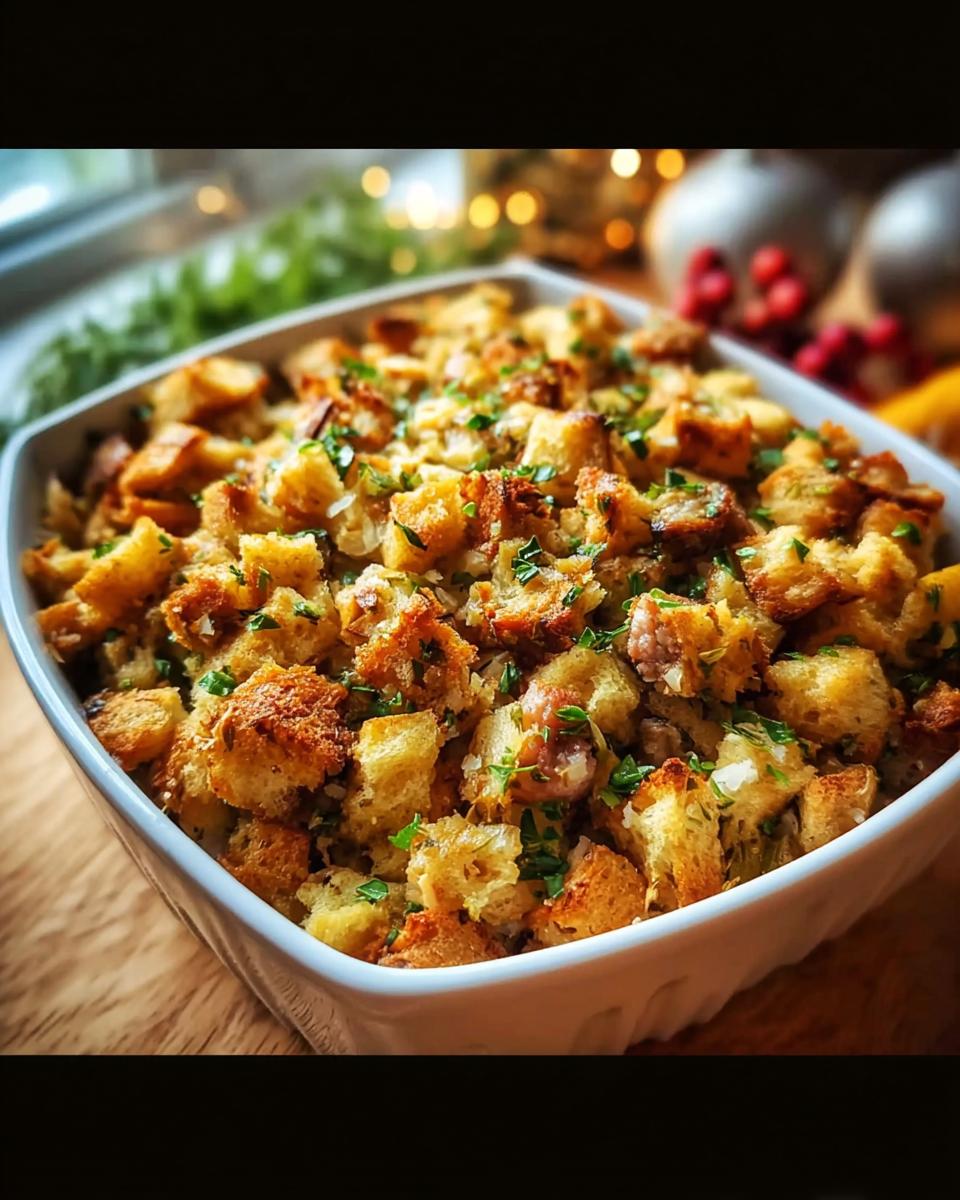 Or, if you’re feeling bold and stuffing a turkey, do it loosely – don’t pack it in tight, or it won’t cook evenly! You can find more amazing recipes here to go with it.
 - The Final Check: No matter how you cook it, make sure your stuffing hits an internal temperature of 165°F (74°C). This is super important for food safety, especially if you’ve stuffed a bird. You can check out this stuffing recipe for an alternative technique.
Pro Tips for Perfectly Moist Stuffing
Now, for those little secrets that take your stuffing from good to *great*! The biggest one, as we’ve discussed, is dry bread—seriously, it’s the foundation! Another tip is to *taste* your mixture *before* you add the broth. Does it need more salt? More pepper? A pinch more poultry seasoning? Go for it! Since we’re not cooking it *in* the turkey cavity with all those meat juices, we need to build flavor right into the stuffing itself. Also, don’t overmix once the broth is in. You want it moist, but you don’t want to turn it into paste. Gently folding things together is key to keeping those lovely little pockets of texture. And remember, you can totally customize this! Add some chopped apples for sweetness, walnuts for crunch, or even a splash of white wine when you sauté the veggies. That’s how you make How to Make Stuffing Recipes Like a Pro (2025) truly *yours*.
Equipment Needed for Your Stuffing Success
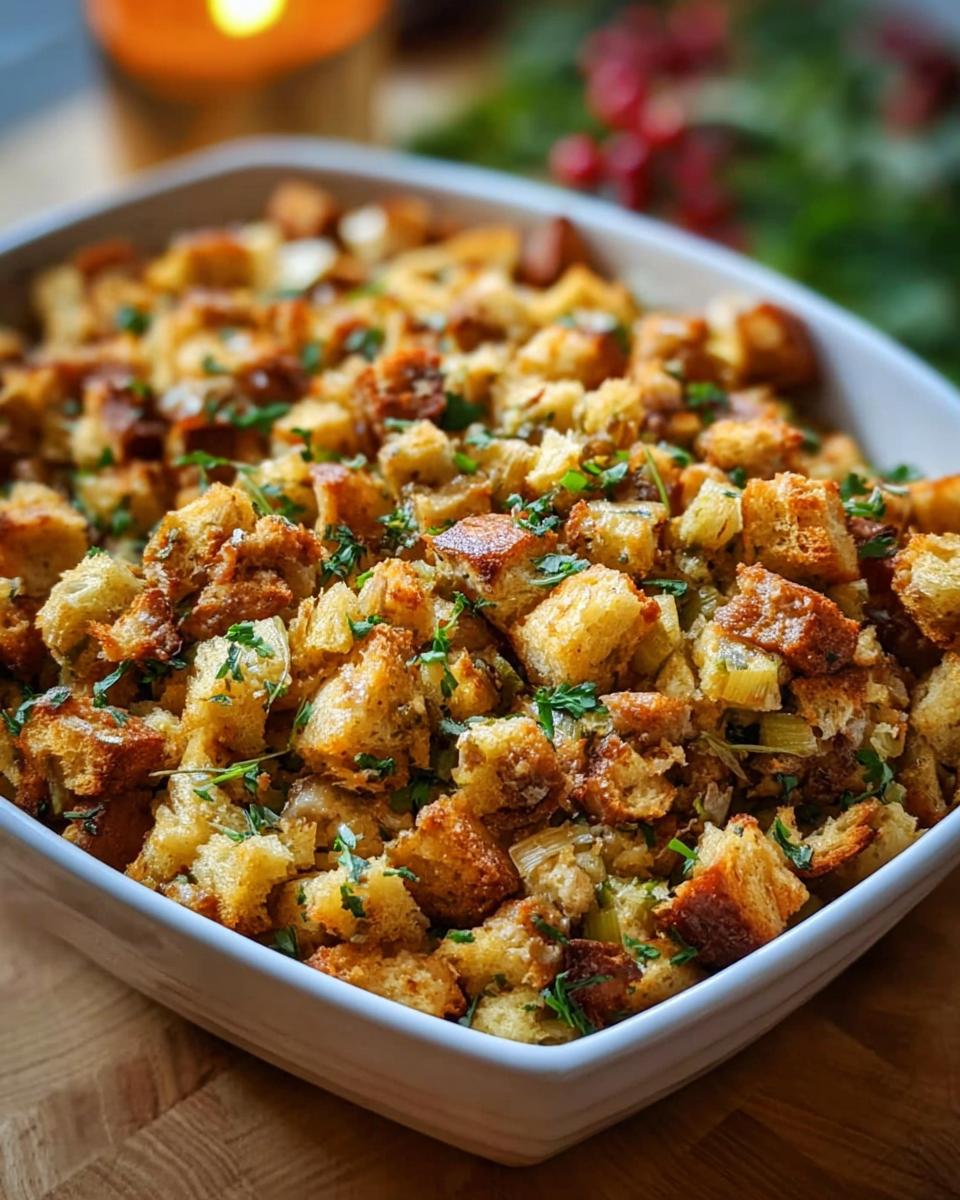
To make your stuffing dreams come true, you’ll need just a few trusty kitchen staples. Grab a big skillet for sautéing those yummy veggies, and a nice, large mixing bowl – the bigger the better for tossing everything together without making a mess! You’ll also need a baking dish if you’re baking it separately, or just make sure your turkey is ready if you’re going the stuffing-inside route. Nothing complicated here, just the basics to get the job done!
Frequently Asked Questions About How to Make Stuffing Recipes Like a Pro (2025)
Got questions? I’ve got answers! Making stuffing shouldn’t be a mystery, so let’s clear up any lingering doubts you might have about mastering this classic dish. It’s all about making How to Make Stuffing Recipes Like a Pro (2025) accessible to everyone!
Can I make stuffing ahead of time?
Absolutely! Stuffing is actually a fantastic make-ahead dish. You can assemble the entire mixture – bread, veggies, herbs, and seasonings – store it in an airtight container in the fridge for up to 2 days. Just add the broth and bake when you’re ready to serve. If you want it to be a *quick* dish on the day, this prep ahead trick is a lifesaver!
What kind of bread is best for stuffing?
Oh, this is a passion point for me! You want a bread that’s sturdy enough to hold its shape when dried out. Think sourdough, French bread, ciabatta, or even a good quality white bread that’s a day or two old. Avoid soft, squishy breads like sandwich loaves, or you’ll end up with mush. The goal is that perfect balance between tender and toothy, not soggy!
How do I ensure my stuffing is moist but not soggy?
This is the golden question! It all comes down to two things: dry bread and controlled liquid. As we talked about, stale or toasted bread is key. Then, start with *less* broth than you think you need. Add it gradually, mixing gently, until the bread is nicely moistened but not swimming. You can always add more, but you can’t take it away! It’s a bit of an art, but you’ll get the hang of it.
Can stuffing be a “breakfast idea”?
You know what? It totally can be! While we usually think of stuffing as a side dish, imagine a delicious stuffing mixed with some crumbled breakfast sausage and maybe a fried egg on top. It’s hearty, savory, and a fun twist on a classic. It proves that stuffing isn’t just for one meal! Check out these 5-ingredient dinner ideas for more inspiration that can easily be adapted.
Serving and Storage: Enjoying Your Perfect Stuffing
Alright, you’ve made it! Your stuffing is golden, fragrant, and ready to steal the show. The best way to serve it is piping hot, right out of the oven or turkey cavity. It’s divine alongside roasted turkey, of course, but it’s also a fantastic partner for ham or even a simple roast chicken. For a truly special holiday spread, check out these Thanksgiving side dish ideas – stuffing is always a winner!
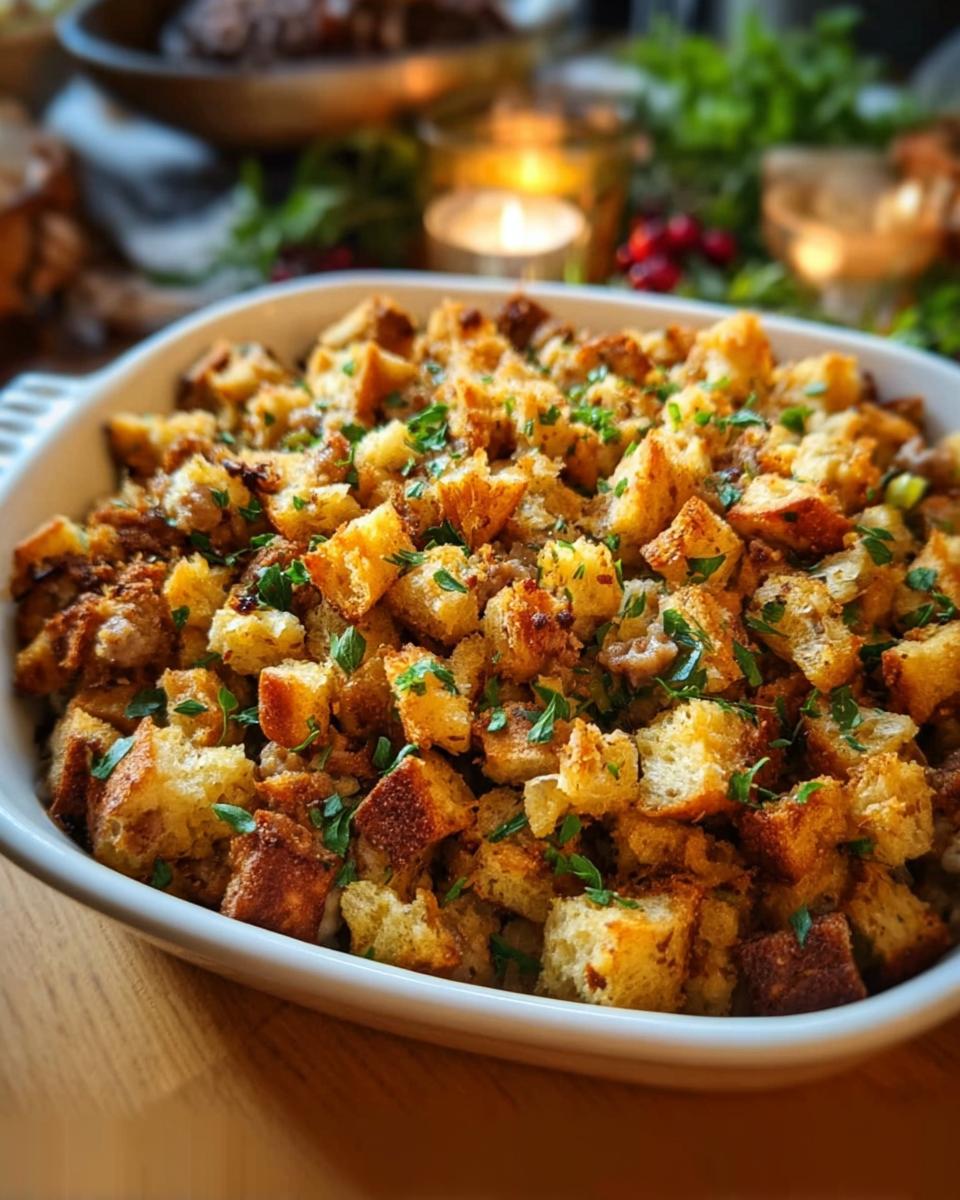
Got leftovers? Lucky you! Let the stuffing cool completely, then transfer it to an airtight container and pop it in the fridge. It should stay good for about 3-4 days. To reheat, spread it out in a baking dish and pop it back in a moderate oven (around 350°F or 175°C) until heated through. If it seems a tad dry, a little splash of broth or water before reheating can work wonders. Enjoy every last bite!
Nutritional Information (Estimate)
When making stuffing, the nutritional values can really change depending on what you put in it, like sausage or cornbread additions, and how much butter and broth you use! As a rough guide, a serving of this basic stuffing (without optional additions) might look something like this: around 250-300 calories, 10-15g of fat, 5-8g of protein, and 30-40g of carbohydrates per serving. Remember, this is just an estimate, so your numbers might vary!
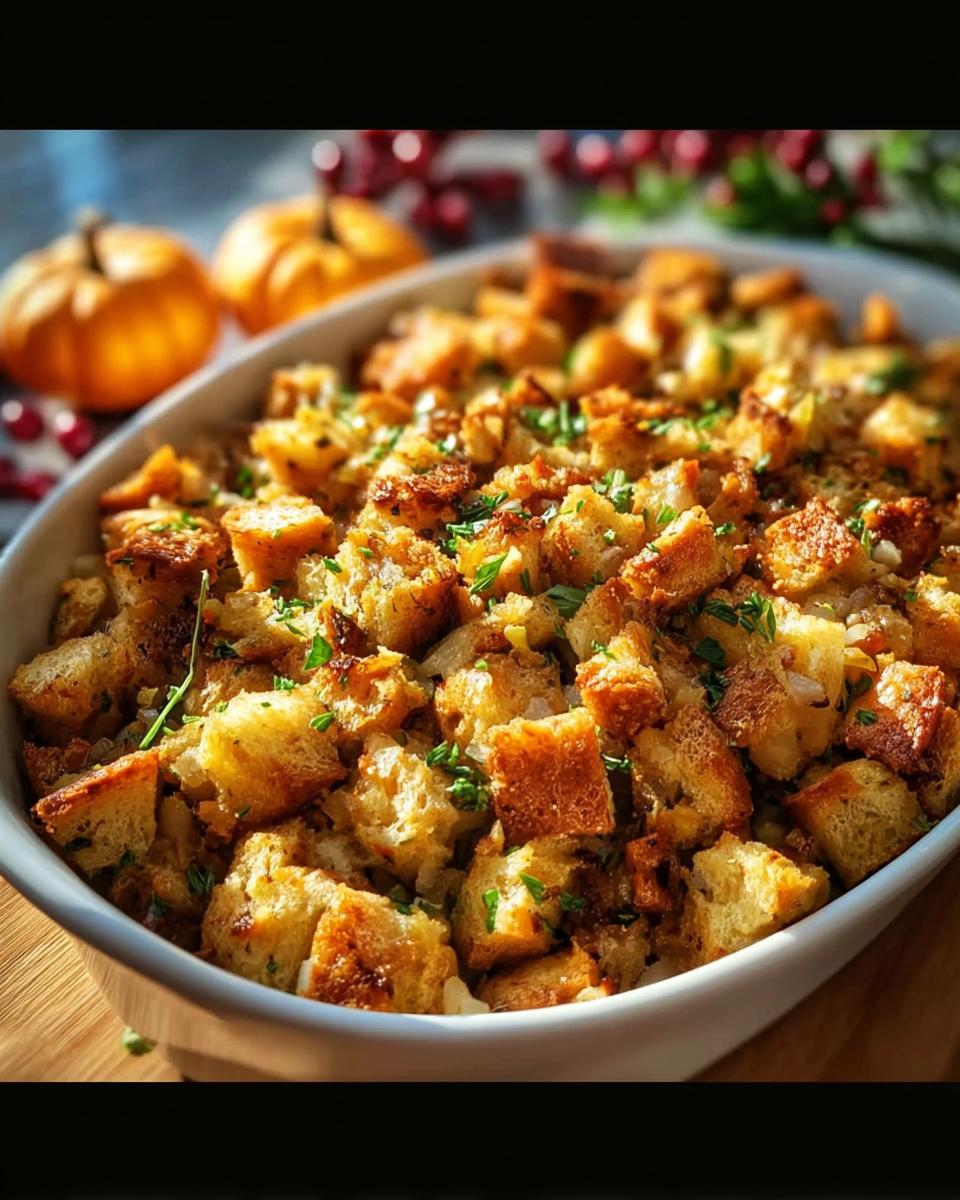
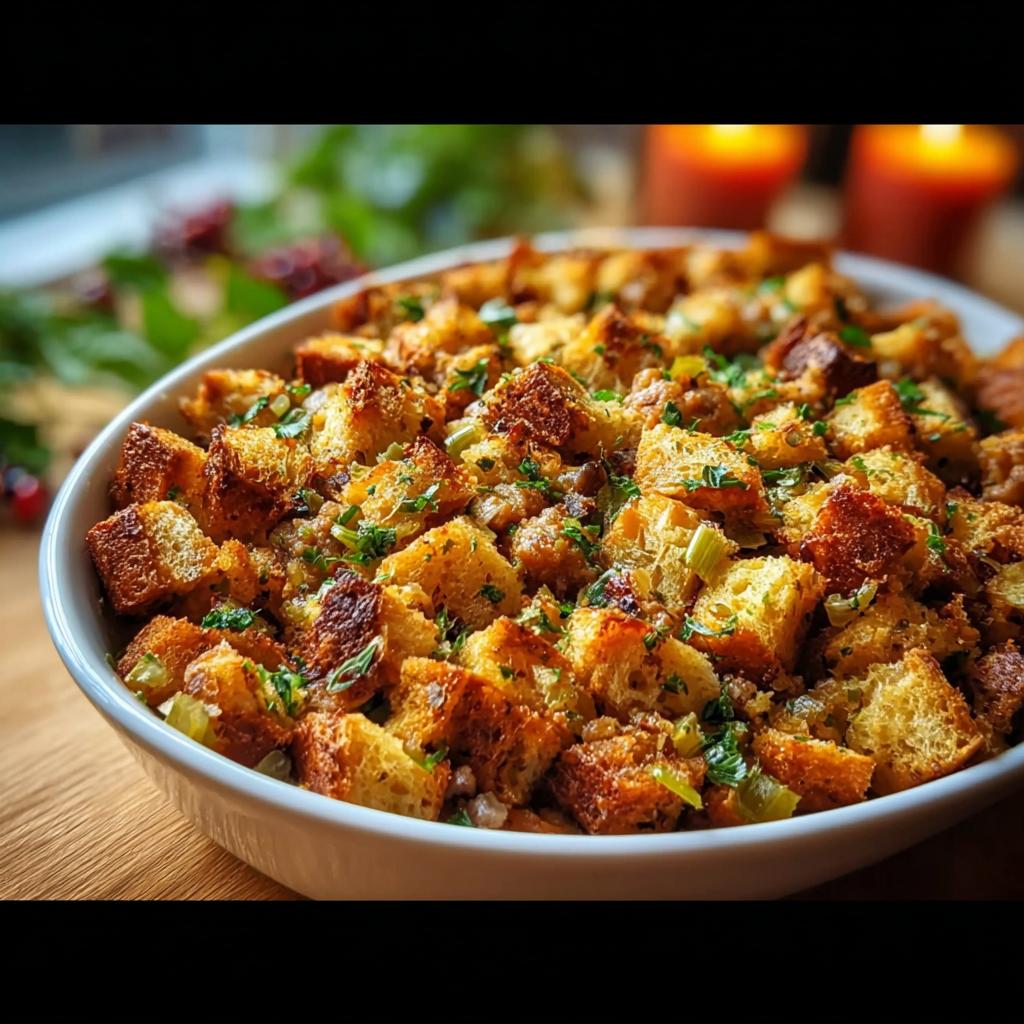
How to Make Stuffing Recipes Like a Pro (2025)
Ingredients
Equipment
Method
- If using bread, ensure it is dry. You can leave it out for 1-2 days or toast cubes at 250°F (120°C) for 45-60 minutes until dry.
- Melt butter in a large skillet over medium heat. Add chopped onions and celery. Cook until softened, about 5-7 minutes.
- In a large bowl, combine the dry bread cubes (or croutons), sautéed vegetables, chopped fresh herbs (parsley, sage, thyme), poultry seasoning, salt, and pepper. Mix gently.
- Gradually add chicken or vegetable broth, starting with 1/2 cup, and mix until the stuffing is moist but not soggy. Add more broth if needed, up to 1 cup.
- If using, stir in cooked ground sausage or crumbled cornbread.
- You can bake the stuffing in a greased baking dish at 350°F (175°C) for about 30-40 minutes, or until golden brown on top. Alternatively, stuff the mixture loosely into the cavity of a turkey before roasting.
- Ensure stuffing reaches an internal temperature of 165°F (74°C) before serving.