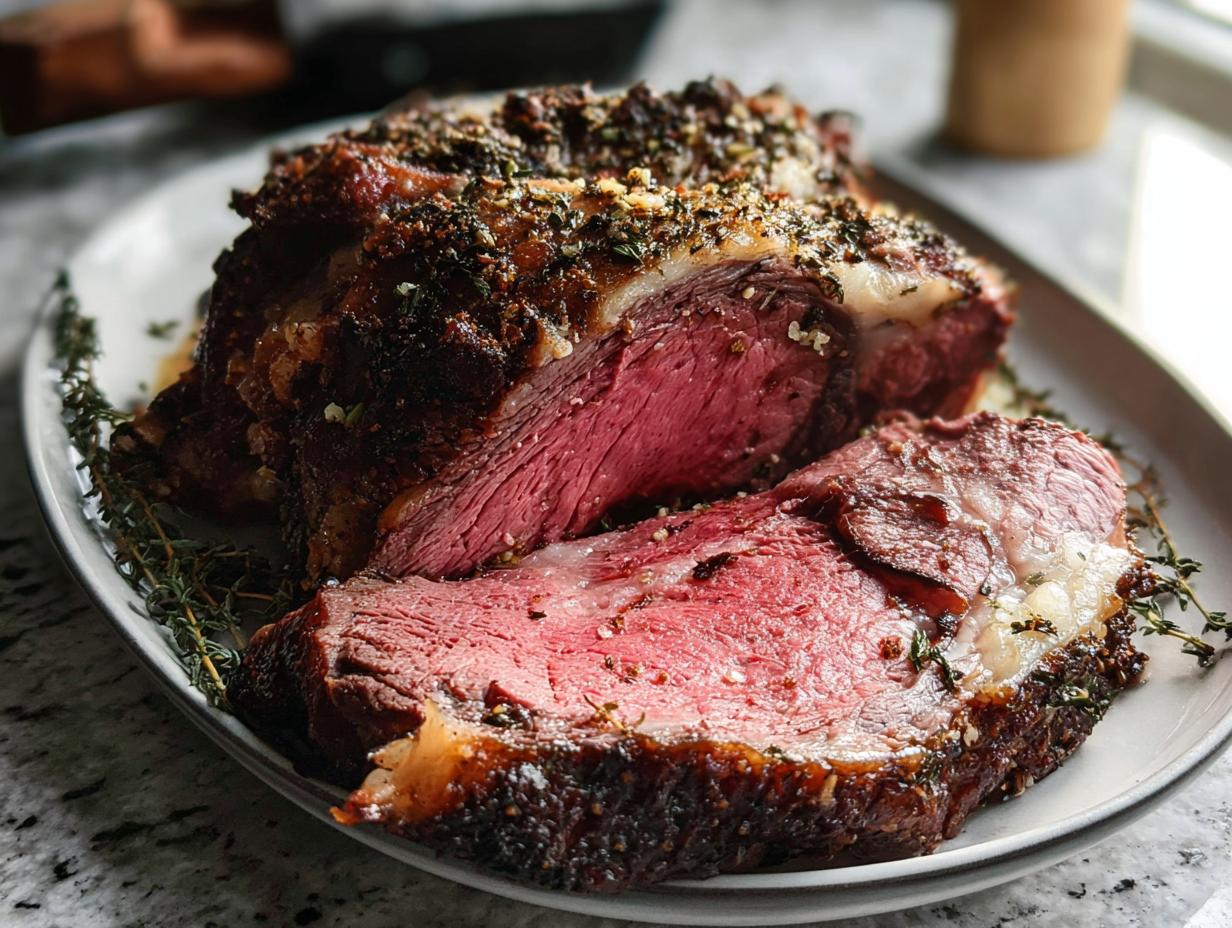
Oh, the terror of the holiday roast! I remember my very first attempt at cooking prime rib. My family was gathered, everyone was staring, and I was sweating more than the oven air because I was so worried about messing up that gorgeous piece of meat. But let me tell you, after a few years of finessing, I cracked the code! This guide on How to Roast Prime Rib in the Oven (Foolproof Guide) is my secret weapon for turning out a showstopper every single time. When I finally nailed it for that big family dinner, the look of pure joy on everyone’s faces when they tasted that juicy, perfectly seasoned roast? Unbeatable! Seriously, this method is so reliable, it works beautifully whether you’re hosting a crowd or keeping it low-carb and keto, because we keep the junk out and focus on the pure beefy flavor. You’ve totally got this!
Why This Method for How to Roast Prime Rib in the Oven (Foolproof Guide) Works
Okay, so why should you trust my guide over a thousand others out there? It’s all about control, friends! This method eliminates the guesswork that makes people break out in a cold sweat when they look at a big piece of prime rib. We use a two-temperature system that guarantees a fantastic crust and a tender, juicy interior every single time. Plus, since we keep the seasonings natural—just herbs, salt, and fat—it’s naturally amazing for anyone sticking to keto or low-carb eating. It checks all the boxes!
- Perfect internal temperature control thanks to the thermometer checks.
- Simple, robust herb and garlic rub that builds flavor fast.
- Guaranteed juiciness because we always let it rest properly.
If you want other great foundation tips for roasting meats in general, check out my guide on ultimate dinner ideas and temperature tips—it really helps build confidence!
Essential Equipment for How to Roast Prime Rib in the Oven (Foolproof Guide)
You don’t need a million fancy gadgets for this feast, I promise. But there are three items that I consider absolutely non-negotiable if you want that perfect result. If you skip these, honestly, you’re just gambling with your dinner!
First, you absolutely need a sturdy roasting pan. If you have a bone-in cut, make sure the bones fit comfortably underneath. Second, you need good quality aluminum foil for the resting stage—don’t skimp here; you need a good tent!
But the real MVP? A reliable, instant-read meat thermometer. I’m serious, this is how we nail the Prime Rib Internal Temperature every single time. You can’t eyeball how done it is; the thermometer is your best friend for taking it out five degrees early so it finishes perfectly during the rest!
Gathering Your Ingredients for How to Roast Prime Rib in the Oven (Foolproof Guide)
Alright, let’s talk about what you need to grab before we even think about turning the oven on. For this basic, foolproof roast, we are focusing on quality ingredients that let the beef shine. We’re aiming for a beautiful 5-pound prime rib, which is perfect for about eight people. Now, if you’re tackling something bigger, like how to cook a 15-pound prime rib for a huge holiday bash, just remember the rule: double up on all the seasonings specified here. Don’t skimp!
We need about 1 1/2 teaspoons of sea salt, 2 teaspoons of fresh black pepper, 2 teaspoons of fresh rosemary, 1 teaspoon of fresh thyme, 8 minced garlic cloves, and 1/4 cup of good olive oil. That’s it for the main event! Don’t forget a little horseradish for serving if you like that kick!
Ingredient Notes and Substitutions
Listen, the quality of this roast is directly tied to the quality of the beef. I highly, highly recommend bone-in. Ask your butcher to cut those bones off and tie them right back onto the roast. Why? Because those bones act as a natural little rack, keeping the meat elevated and cooking more evenly. If you can only find boneless, don’t panic—just place it on a wire rack inside the roasting pan instead.
While the olive oil is my go-to, if you run out or prefer to use something else for the rub, melted butter works great too. But please, please use fresh herbs! Dried rosemary just doesn’t give you that bright, sharp flavor we need to cut through the richness.
If you’re looking for other simple, high-impact recipes that rely on just a few great items, you should check out my guide on 5-ingredient dinner ideas for those busy nights!
Step-by-Step Instructions: How to Roast Prime Rib in the Oven (Foolproof Guide)
This is where the magic happens! If you followed the prep work correctly, getting this prime rib into the oven is honestly the easy part. Remember, we need to give that beef at least one hour outside of the fridge to warm up—that’s tempering, and it’s key for an even cook. Then, we crank the heat to get that gorgeous crust!
First things first: set your oven rack to the middle spot and get that oven roaring hot—we’re talking 500 degrees F. While that’s heating up, go ahead and pat your seasoned prime rib bone-side down in that roasting pan. If you have a boneless cut, use that rack inside the pan, okay?
We roast at 500 degrees F for exactly 15 minutes—that’s our high-heat sear! After those few intense minutes, you immediately drop that temperature down to 325 degrees F. Now, we just let it cook low and slow until it hits the sweet spot. You need that meat thermometer because guesswork loses you flavor!
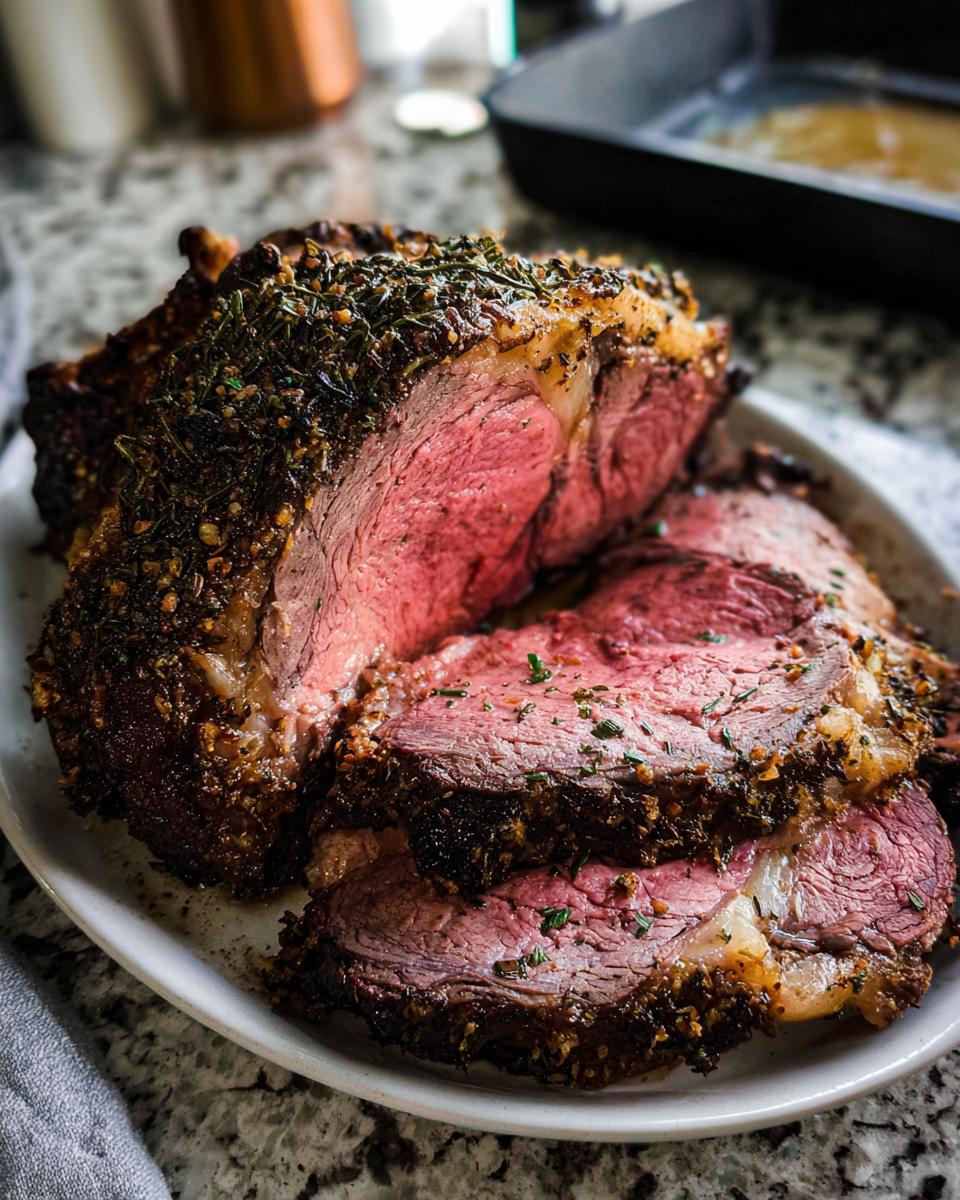
For anyone wondering about size variations, like the timing for a How Long To Cook 8lb Prime Rib, the time changes, but the target temperature stays the same. Always rely on the thermometer reading, not the clock! I try to pull it 5 to 10 degrees early because the internal heat keeps climbing while it rests.
If you skip the rest, all those delicious juices run out onto your cutting board, and nobody wants that! After you pull it, tent that beauty loosely with foil. It needs a full 30 minutes—yes, that long!—to settle down. This resting period is non-negotiable for juicy meat. Once it’s done resting, you carve against the grain, slice about half an inch thick, and you’ve done it! You can find some great pairing inspiration over at Tastes Better From Scratch, linked here, though I love to stick to simple, keto-friendly veggies myself.
Achieving Perfect Doneness: Temperature Guidelines for How to Roast Prime Rib in the Oven (Foolproof Guide)
This is the moment of truth! You are aiming slightly *under* your target internal temperature when you pull it out of the oven, because carrying over heat brings it up those last few degrees. If you are aiming for Medium Rare (which is my favorite for beef this good!), you want to pull it when the thermometer reads 125 degrees F, because it will finish at 130 degrees F after resting.
Here’s the quick guide for when you pull it out:
- For Rare (target 120°F), pull at 115°F.
- For Medium Rare (target 130°F), pull at 125°F.
- For Medium (target 140°F), pull at 135°F.
If you’re cooking a huge one, say a 15-pound roast, you’ll definitely be cooking longer, but the temperature rule doesn’t change. When dealing with a Smaller Prime Rib Roast Oven cook, sometimes the high-heat sear feels like too much, but trust me, save those 15 minutes at 500 degrees—it’s what builds that incredible chew on the outside!
The Crucial Resting Period
I know you are going to be tempted. The smell is already making everyone hungry, and you want to carve it right away. Don’t! Seriously, don’t cut into it yet. When meat cooks, the muscle fibers tighten up, pushing all the juices toward the center of the roast. If you cut it immediately, those juices flood out onto your cutting board.
That 30 minutes of resting time allows those fibers to relax. As they relax, the moisture redistributes evenly back throughout the entire roast. This is the secret to slicing into a piece of meat that is perfectly juicy in the center and equally tender on the outside. A loose tent of foil just keeps the outside warm while the inside finishes setting up. It’s patience that pays off!
Tips for Success When You Roast Prime Rib in the Oven
Now that you know the basic steps for handling your 5-pound beauty, let’s level up those results! I’ve gathered a few extra pointers from years of practice—some earned the hard way—to ensure your roast crust is spectacular and you handle any size with confidence.
My number one tip for getting that dark, flavorful crust? Don’t skip the high-heat blast at the beginning! Those first 15 minutes at 500 degrees F sear the outside before the lower temperature gently cooks the rest of the meat. If you try to cook the whole thing at 325 degrees F, you get grey, unappetizing meat all the way through. That initial blast seals in flavor and creates texture.
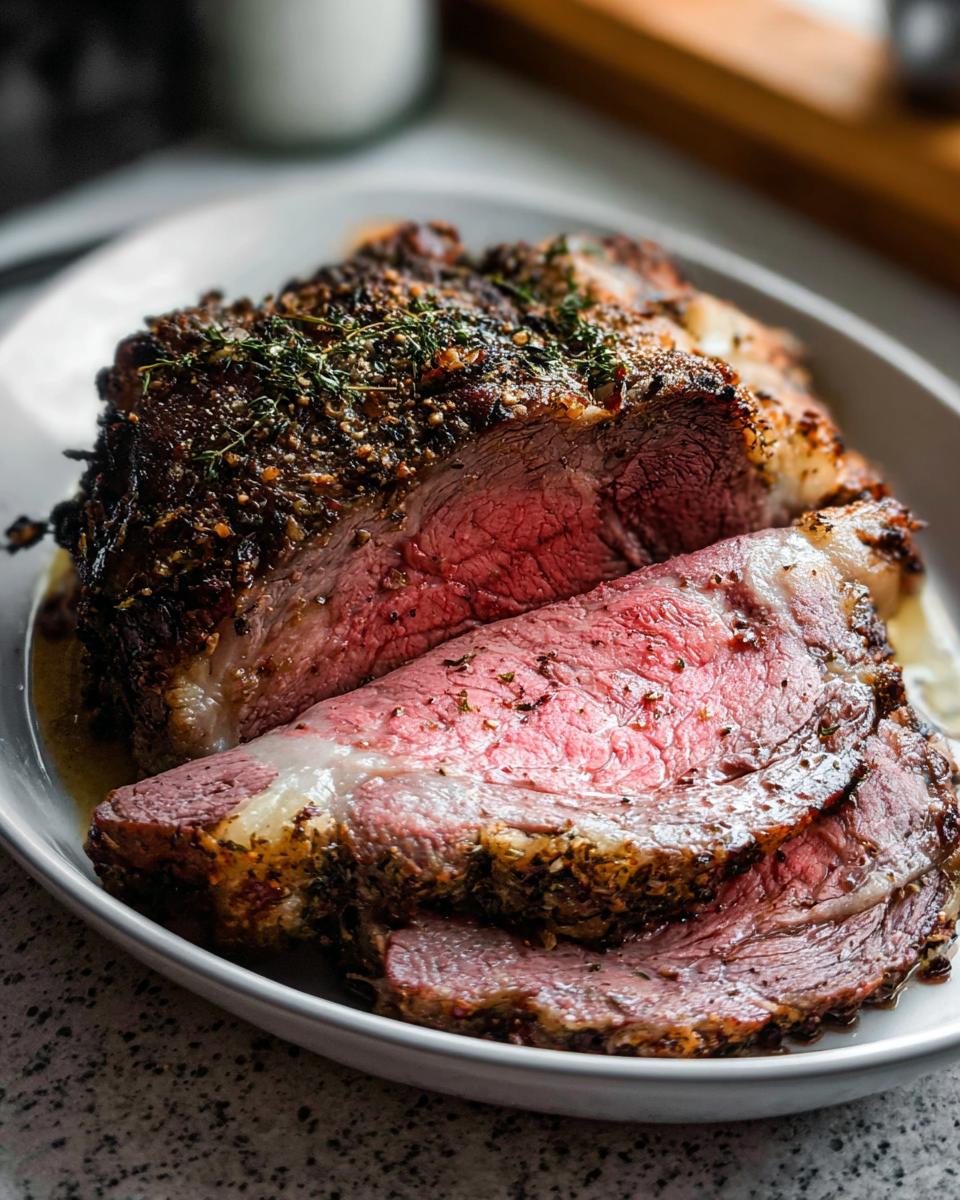
Another thing I’ve learned, especially when dealing with a Small Prime Rib Roast Oven cook, is seasoning matters more than time. Even if it cooks faster, that rub needs time to basically marinate the exterior of the meat while it tempers on the counter! I often make my herb rub well ahead of time and let it sit on the meat while it comes to room temperature.
Also, I can’t stress enough about the pan. If you are cooking a very small roast, or maybe just sections of a larger one, make sure your roasting pan isn’t *too* big. If the roast is swimming in an enormous tray, the radiant heat from the pan bottom cooks the bottom surface differently. A snug fit often results in better overall evenness. Trust me on this one; I’ve ruined a perfectly good corner piece by letting it bake too close to the pan walls!
Finally, when you check that internal temperature, make sure the probe isn’t touching bone! Bone conducts heat differently than meat, and if you hit bone, you’ll get a falsely high reading, forcing you to overcook the exterior when you go back in. Always aim for the thickest part of the meat, centered between the bone and the edge.
Serving Suggestions for Your Roast Prime Rib
So, you’ve nailed that gorgeous, juicy roast! Fantastic! Now comes the fun part: figuring out what to put next to that masterpiece on the plate. Since we are keeping things naturally low-carb and keto-friendly with this roast, we have tons of options that complement the richness without piling on the starch. This meat is super decadent, so we want sides that offer freshness or a little bit of earthy balance.
When I host holidays, my goal is always to make sure every guest, whether they are strictly keto or just watching their carbs for the day, feels like they are eating a feast. The horseradish is a required condiment in my house—that sharp bite really cuts through the richness of the fat perfectly.
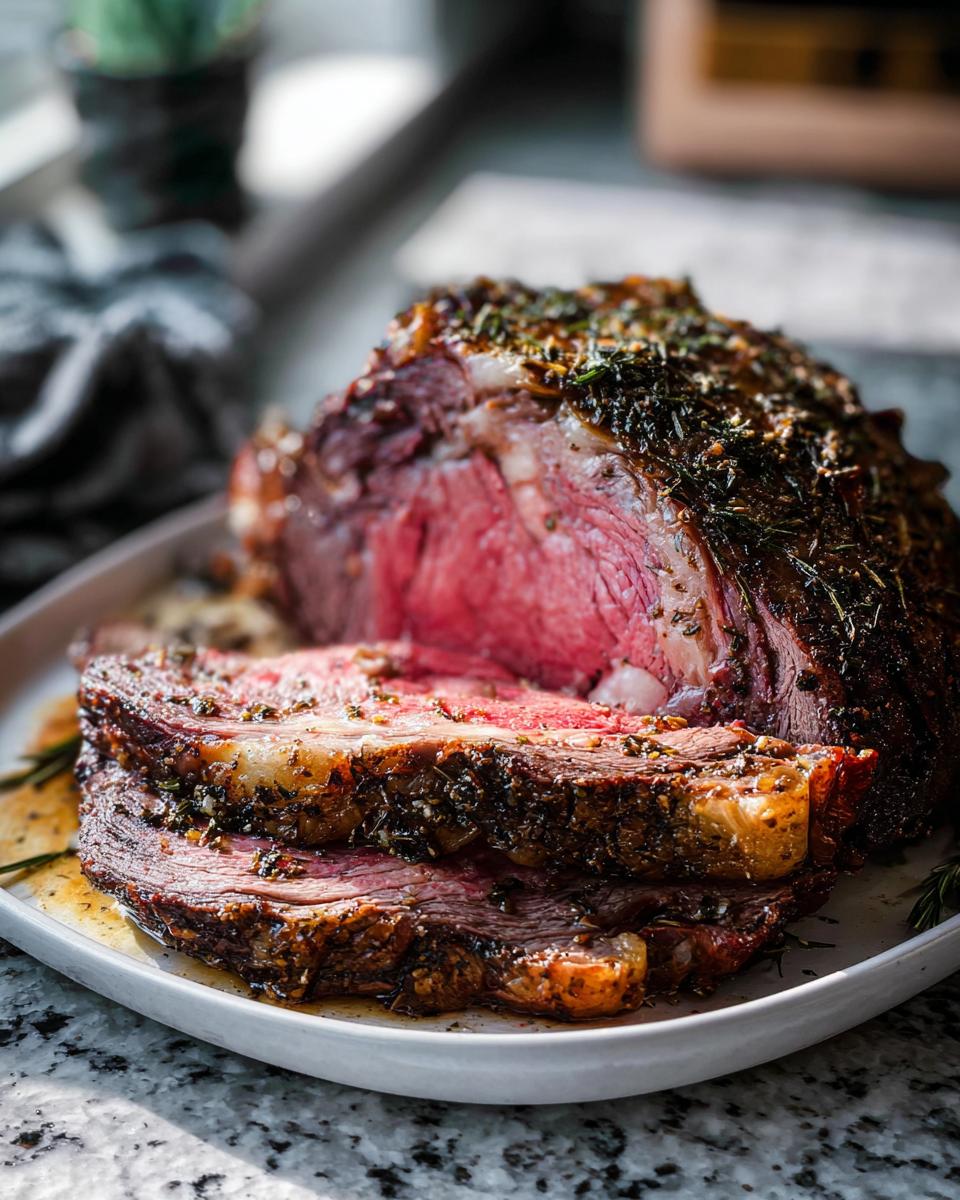
For vegetables, forget heavy mashed potatoes! Roasting your greens is the way to go. Think simple, crisp things! I love roasting a big tray of asparagus tossed really simply with salt, pepper, and just a touch of olive oil.
- Garlic Green Beans: These are quick and easy. Sauté them quickly at the end with tons of fresh garlic—just like in the rub! For a little extra twist, I sometimes toss a handful of toasted pecans in for crunch.
- Creamed Spinach (Keto Style): This is the ultimate comfort side. By using heavy cream and maybe a little cream cheese instead of flour as a thickener, you get that decadent texture without the carbs. It tastes incredible next to the beef.
- Roasted Brussels Sprouts: These need high heat to get those nice crispy outer leaves. A splash of balsamic vinegar (use sparingly if you are super strict keto, or skip it) right at the end really pops the flavor.
If you’re planning a full menu around this roast, and you need some warming comfort without bread or pasta, you should definitely sneak a peek at my restaurant-style dinner ideas, especially the soups part. A lighter, clear consommé makes an amazing appetizer before the heavy roast comes out!
Storage and Reheating Instructions for Leftover Prime Rib
This is my favorite part! If you manage not to eat the entire glorious roast in one sitting, dealing with leftovers is surprisingly easy, and it means you get another amazing keto-friendly dinner later in the week! The key here is moisture retention—we do not want dry, sad roast beef on Tuesday.
How to Store Leftover Roast Prime Rib
As soon as that roast has cooled down enough that you can handle it (don’t wait until it’s room temperature, though, that’s when bacteria get happy!), you need to get it wrapped up tight. Forget those flimsy plastic wraps; you want this airtight. I slice the leftover meat against the grain first—it makes reheating so much easier later on. Then, I layer it in an airtight container, separated by wax paper so the slices don’t stick together when cold.
In the fridge, this leftover beef will stay perfectly delicious for about four days. If you think you won’t eat it that fast, go ahead and freeze it! Wrap those slices very tightly in plastic wrap, and then wrap them again in foil or put them in a freezer bag. It lasts great for about two months in the freezer this way.
The Best Way to Reheat Slices Without Drying Them Out
This is where most people mess up leftovers, but not you! If you try to reheat slices in a hot oven or, heaven forbid, the microwave, you’re going to end up with tough, leathery meat. We treat these leftovers gently!
The trick I use is the low-and-slow method, and I use broth to add steam. Set your oven to a very low temperature—think 250 degrees F, no higher. Place your slices in a shallow baking dish. The absolute game-changer is pouring about 1/4 inch of beef broth (or stock) into the bottom of the dish. Don’t drown the meat, just keep the bottom moist!
Cover the dish tightly with aluminum foil. This traps all that steam and moisture inside. Let it sit in the low oven for about 15 to 20 minutes, depending on how many slices you have. When the beef is just warmed through, it comes out juicy and tender again, like it was freshly carved! If you need more meal prep ideas for those busy weeknights, I have some great meal prep-friendly dinner ideas you might enjoy!
Frequently Asked Questions About How to Roast Prime Rib in the Oven (Foolproof Guide)
I know roasting something this expensive can bring up a ton of questions, so let’s tackle the ones I hear most often. Don’t worry about feeling silly; everyone wants to make sure their big roast turns out perfectly! For tons of other recipe troubleshooting, check out my favorite recipe ideas everyone asks for—it’s full of reliability tips!
What is the best Prime Rib Internal Temperature for Medium-Rare?
This is probably the most important question you can ask! For that perfect, beautifully pink medium-rare, you are aiming for a final internal temperature of 130 degrees F. But here’s the trick I use every time: you must pull the roast out of the oven when your meat thermometer reads 125 degrees F. That remaining heat—called carryover cooking—will push it up those last five degrees while it rests under the foil. If you wait until it hits 130 degrees F in the oven, it’ll be closer to 135 or 140 degrees F when you finally cut into it, and that’s edging toward medium!
Can I use this method for a Small Prime Rib Roast Oven?
Absolutely, you can! My main recipe focuses on a 5-pound roast because it’s substantial enough for a nice dinner party but still fits well in most standard ovens. If you have a much smaller cut, say just two or three pounds for a Small Prime Rib Roast Oven situation, you still need to start with that 15-minute blast at 500 degrees F to get the crust going. However, you will need to watch the clock way more closely afterward, because the low and slow part at 325 degrees F will happen much faster. Use the thermometer religiously! You won’t be cooking for the full hour and forty-five minutes we estimated for the 5-pound cut.
What if my roast is much larger, like 12 or 15 pounds?
If you’re tackling something huge, like a 15-pound monster, the method stays exactly the same—start hot, then drop to 325 degrees F. The primary adjustment is time, obviously, and you MUST increase the amount of seasoning mix you rub all over it. You need enough flavor paste to cover that surface area! Also, be aware that it might take a team of people to safely get that giant hunk of beef in and out of the oven. For those bigger roasts, placing the pan on the lowest rack might give you a more even cook, though I usually still prefer the center position for general roasting.
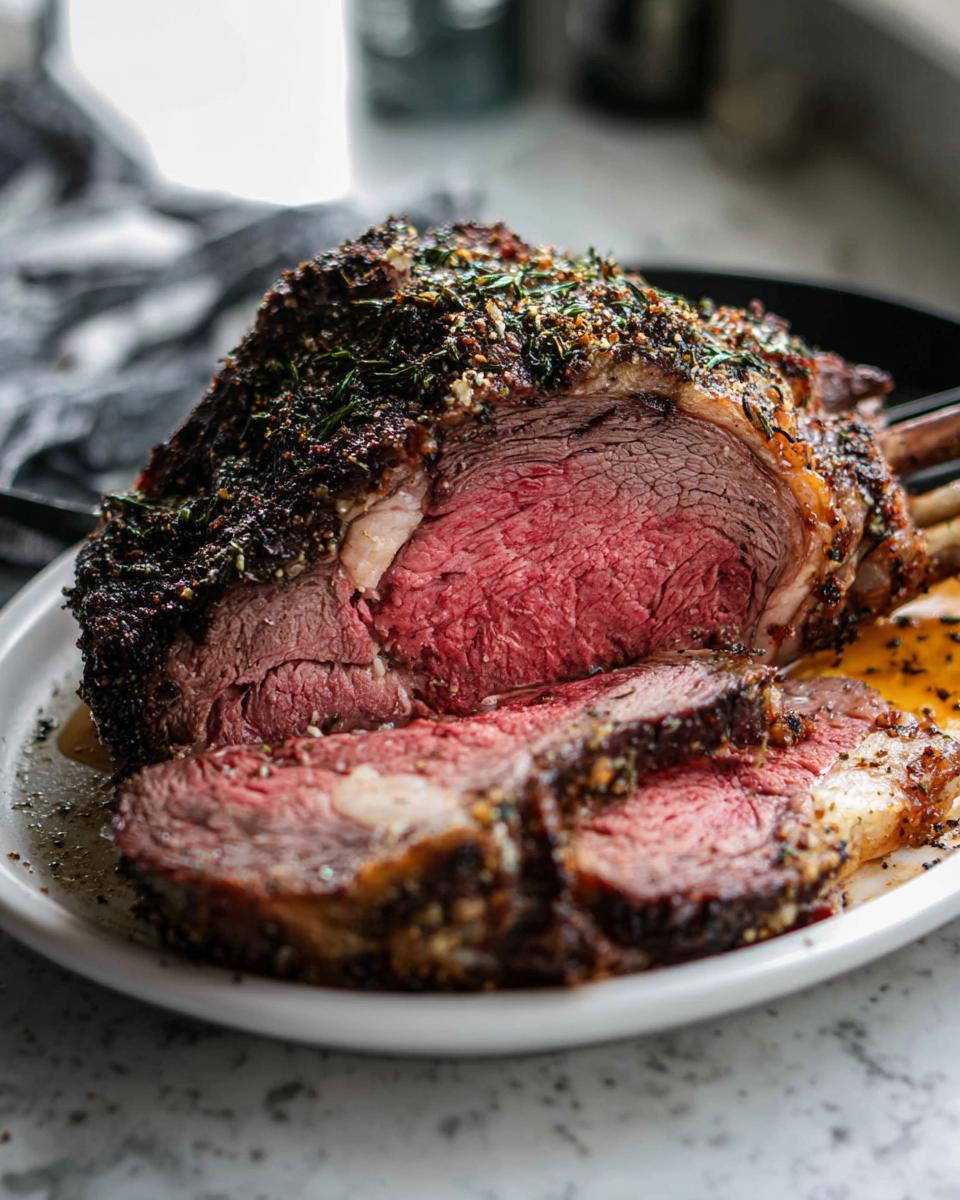
Do I really have to season it an hour ahead of time?
I know what you’re thinking, “Who has time for that extra hour?” But honestly, yes, if you can manage it, do it! Salting the meat ahead of time—even when it’s chilling in the fridge—does two wonderful things. First, it seasons deeper than just rubbing the mixture on right before baking. Second, when you pull it out of the fridge an hour before cooking (after seasoning!), that salt has already started working to lock in moisture. It makes a noticeable difference in the outer chew, even if you’re just sticking to the simple salt and pepper base!
Estimated Nutritional Information for This Roast Prime Rib Recipe
I know we are focusing on flavor and technique here, but since this is inherently a beautiful keto and low-carb friendly cut of meat, I wanted to give you a general idea of what you’re looking at per serving. Keep in mind these numbers are based on dividing the entire recipe (using a 5-pound cut, yielding 8 servings) and they don’t account for anything you might add on the side, like creamy sauces or roasted vegetables.
This is rich food, so you expect the fat content to be higher, which is great for anyone following a keto plan! I pulled these numbers directly from my nutrition calculator, and they look solid for a pure beef and herb preparation.
- Calories: 729
- Protein: 31g
- Fat: 66g
- Carbohydrates: 1g
- Sodium: 102mg
Now, listen up! This note is crucial because you can’t trust online calculators completely with something as variable as a beef roast. These figures are just estimates based on the core ingredients listed, assuming an average piece of meat. If you used a fattier cut, or if you’re using How To Cook 15 Pound Prime Rib, the numbers will change dramatically! Always treat this list as a guide, not gospel, especially if you are tracking macros seriously.
Share Your Perfect Prime Rib Success
I’ve shared every single secret about getting that crust perfect and keeping the inside juicy. But honestly, the best part of sharing these family-tested methods is hearing about *your* triumphs! Did you finally conquer the roast? Did your guests ask for the recipe before they even finished their first slice?
I absolutely live to see your successes! When you tackle this recipe—either the standard cut or maybe even a tricky how to cook a 15 pound prime rib version if you’re feeling brave—please come back here and let me know how it went down!
Take a snap of that gorgeous final product—I want to see that pink center! Drop a rating below based on how confident you felt following the guide, and use the comments section to tell me your favorite side dish suggestion that pairs perfectly with that rich beef. Hearing from you helps me refine these guides even more. Thanks for cooking with me, and happy feasting!
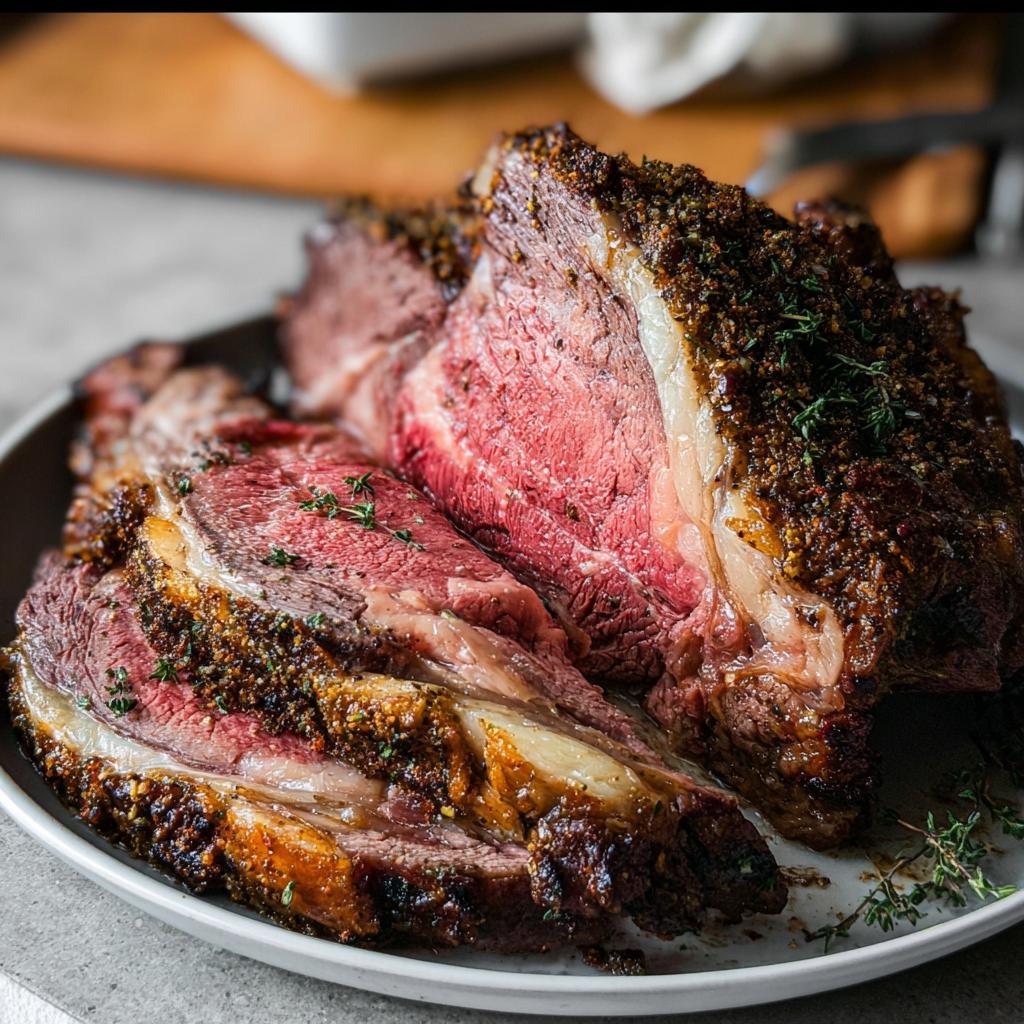
How to Roast Prime Rib in the Oven (Foolproof Guide)
Ingredients
Equipment
Method
- Remove the prime rib from the refrigerator one hour before cooking. Season it on all sides with salt and cover it loosely with plastic wrap. This allows the meat to come to room temperature for more even cooking.
- Adjust your oven rack to the center position. Preheat your oven to 500 degrees F.
- In a small bowl, mix together 1 1/2 teaspoons salt, pepper, rosemary, thyme, minced garlic, and olive oil.
- Pat the prime rib dry with paper towels. Spoon the seasoning mixture over the roast, rubbing it onto all sides. Place a bone-in roast with the bones down in a roasting pan. If using a boneless roast, place it on a rack inside the roasting pan.
- Bake the prime rib at 500 degrees F for 15 minutes. Then, reduce the oven temperature to 325 degrees F and continue baking until it reaches your desired level of doneness. Use a meat thermometer to check the internal temperature:
- Rare: 120 degrees F
- Medium Rare: 130 degrees F
- Medium: 140 degrees F
- Medium Well: 150 degrees F
- Remove the roast from the oven, tent it loosely with aluminum foil, and let it rest for 30 minutes before carving.
- Carve the prime rib roast by slicing against the grain into about 1/2 inch thick slices. Serve with horseradish, if desired.