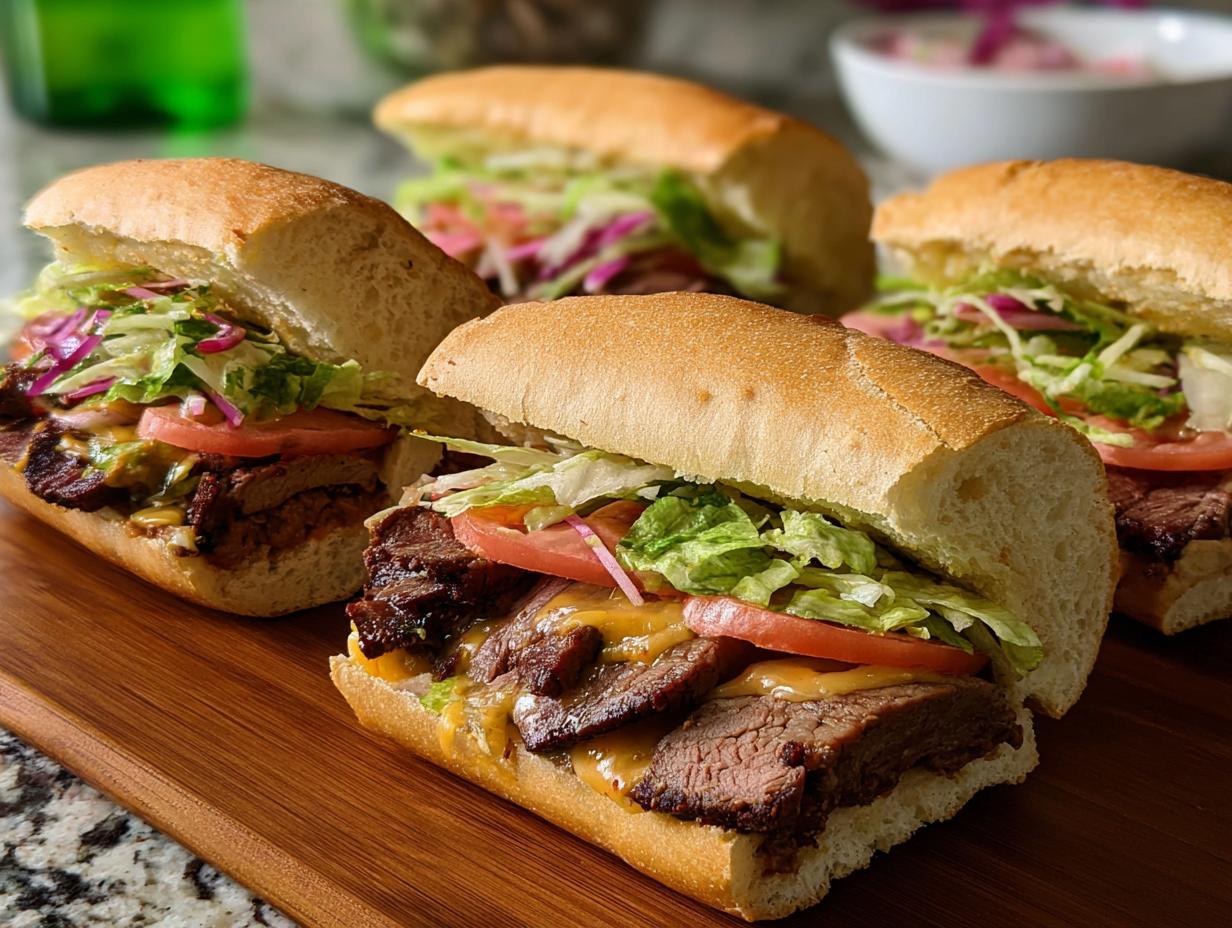

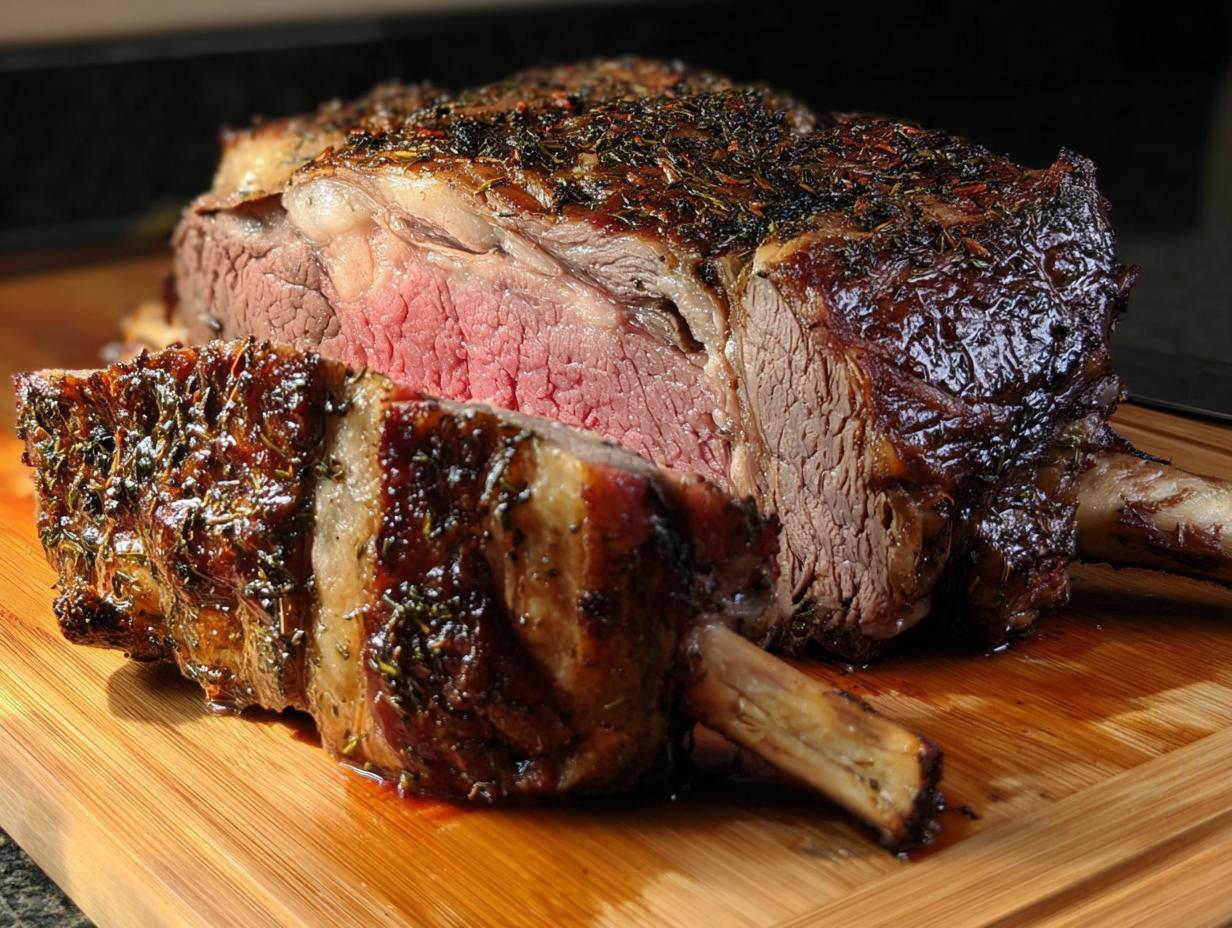
Oh, the holiday season! It’s full of magic, but honestly, sometimes the pressure of cooking that show-stopping centerpiece for Christmas dinner totally makes me want to hide in the pantry with a bag of chips. I get it; we all want that perfect, beautiful roast that makes everyone gasp before they take the first bite. Well, deep breath! I’m Jenny Miller, and after years of perfecting this exact beast, I promise you, you can nail it. Forget the stress. This guide, my Prime Rib for Christmas Dinner — Step-by-Step Plan, breaks down every single confusing temperature and timing issue into simple, manageable pieces. How do I know? I vividly remember the first Christmas I decided to prepare a prime rib for my family. The kitchen was bustling with excitement as I carefully followed the steps I’d learned over the years. The aroma of garlic and rosemary filled the air, and I held my breath as I checked the meat’s temperature—each moment felt like a leap of faith. When I finally served the beautifully browned prime rib, everyone gathered around the table, and the joy of that meal still warms my heart. It turned into a cherished tradition, and since then, I’ve shared the process step-by-step with others, eager to pass on that same love and connection that comes from cooking for those we hold dear.
Why This Prime Rib for Christmas Dinner — Step-by-Step Plan Works
Listen, I wouldn’t share this method if it didn’t work like a charm, even when the house is chaotic and you’ve got six people asking you what’s for dessert. This isn’t some complicated chef trick; it’s just solid technique. Since I first wrestled that roast onto the counter years ago, I’ve learned what matters most.
- That Perfect Crust: We start hot, and I mean *hot*! That initial sear locks in flavor and gives you that gorgeous, brown, slightly crunchy exterior that makes people think you bought it from a fancy butcher.
- Juicy Center Guarantee: The two-temp drop in the oven prevents drying out the edges while the center slowly comes up to that beautiful medium-rare pink. You’re controlling the heat perfectly.
- Stress Reduction: Seriously, if you just use the thermometer (and trust it!), you don’t have to guess. This plan gets you out of the kitchen faster so you can actually enjoy your guests.
It’s about confidence, right? And I want you to feel super confident when you pull that stunning roast out. That’s what makes this Prime Rib for Christmas Dinner — Step-by-Step Plan my go-to for every big gathering.
Essential Equipment for Your Prime Rib for Christmas Dinner — Step-by-Step Plan
Okay, listen up. You can have the fanciest kitchen in the world, but if you skip these three tools, you’re just making things hard on yourself. For this Prime Rib for Christmas Dinner — Step-by-Step Plan, you don’t need fancy gadgets, but you absolutely need reliable basics.
First up, you need a sturdy roasting pan. If you have one with a little rack that lifts the meat up, even better! That lets the air circulate underneath, which helps the whole roast cook evenly—trust me on this one.
Second, and I cannot stress this enough: a good, instant-read meat thermometer. This isn’t optional, folks. Trying to guess doneness with a cheap pop-up timer or just poking it with a fork is how you end up with sad, gray roast. A reliable thermometer tells you exactly when to pull it out so you nail that perfect internal temperature, which is the secret source of our juicy results!
Finally, grab your sharpest sharp knife. You’ll be carving this beauty later, and dull knives mean ragged edges and lost juices. Don’t let a lousy knife ruin your perfect roast!
If you want to check out some other gear that helps make holiday cooking much smoother, I’ve got some great tips on general kitchen helpers.
Gathering Ingredients for the Perfect Prime Rib for Christmas Dinner — Step-by-Step Plan
Okay, let’s talk about shopping! Preparing a grand centerpiece like this Standing Prime Rib Roast is only half the battle; the other half is making sure you have exactly the right stuff when you start mixing that rub. Buying meat is always a small adventure, right? I always tell people that if you’re making something this spectacular for Christmas, it’s worth spending a little extra on high-quality meat. Ask your butcher what they recommend for a consistent roast!
We are breaking down our ingredients into three simple groups: the star of the show, the flavor explosion (that’s our rub!), and a little something extra to finish it off if you are making compound butter. We need precision here because unlike throwing together soup, baking and roasting relies on these measurements to get that perfect crust and juicy interior we talked about earlier. Ready to see the shopping list?
Ingredients for the Prime Rib Roast
Here’s the main event. You’ll need one beautiful roast. I usually go for a 6 or 7-pounder, which generally feeds about eight of us comfortably, but you can adjust based on your crowd size.
- 1 Prime rib roast (6-7 pounds) – Remember, bone-in just looks stunning and adds a little flavor, but boneless is faster to cook and way easier to carve later on. So pick what makes your holiday easier!
Ingredients for the Seasoning Rub
This rub is where 90% of the flavor comes from, so don’t skimp on the fresh herbs! You want that bright, piney flavor from real rosemary and thyme.
- 3 tablespoons Olive oil – This helps the herbs stick to the meat.
- 6-7 cloves Garlic, minced – Make sure it’s truly minced so it doesn’t burn in concentrated spots.
- 2 tablespoons Fresh rosemary, chopped – If you must use dried, use about half the amount, but fresh is always better here!
- 2 tablespoons Fresh thyme, chopped
- 1 tablespoon Coarse salt – Coarse salt is key; it exfoliates the outside a bit during the sear.
- 1 tablespoon Black pepper
- 1 tablespoon Smoked paprika – This gives the crust a wonderful depth of color.
Ingredients for the Finishing Butter
This part is totally optional, but it’s an easy step if you want an extra rich pat of flavor when serving. If you’re making a gravy from the drippings, you can skip straight to that!
- 4 tablespoons Unsalted butter, softened – It has to be soft, like room temperature cream cheese, for easy mixing.
- 1 tablespoon Dijon mustard (Optional) – This gives the butter a little zip to cut through the richness of the beef.
Don’t forget to check out my guide on simple ingredient swaps if you’re missing a specific spice!
How To Roast Prime Rib: The Prime Rib for Christmas Dinner — Step-by-Step Plan
Now for the main event! This is the part where you earn those compliments, but I promise, it’s easier than you think if you stick to the plan. Remember watching a cooking show where they just toss things in and it turns out perfect? We are aiming for that level of calm confidence here! If you follow this simple How To Roast Prime Rib technique, you’ll be amazed at the results. You can check out some tips on foolproof dinner methods for general advice before diving in.
Preparation and Seasoning for Prime Rib for Christmas Dinner — Step-by-Step Plan
First rule: Get your oven HOT! We’re preheating to 450°F (230°C). Take your roast out of the fridge and pat it bone-dry with paper towels. Seriously, dry skin equals crispy crust. You want to mix up that glorious herb rub—the garlic, the rosemary, the salt—into a thick paste. Once it’s mixed, use your hands to rub that paste all over the beef. Coat the entire thing evenly, don’t miss the sides or the bottom if you can help it. Drizzle with olive oil first to help everything stick nicely, then slather on that flavor bomb!
The Two-Temperature Roasting Method
Time to sear! Put that seasoned beauty fat-side up right into your roasting pan. We hit it with the high heat—450°F—for just 15 minutes. This sets that beautiful brown crust. Then, and this is the big shift, you immediately drop the temperature down to 325°F (160°C). Now you let it cook slowly. The rule of thumb is about 13 to 15 minutes per pound at this lower temperature. You absolutely must rely on your meat thermometer here. I vividly remember the first Christmas I cooked this; I was pacing, checking the oven door every five minutes. Don’t do that! Let the thermometer guide you. For that perfect medium-rare pink center, pull it out when your thermometer reads 120-125°F (49-52°C). If you like it more toward medium, let it keep going until it hits 130-135°F (54-57°C).
Resting the Roast: A Critical Step for Prime Rib for Christmas Dinner — Step-by-Step Plan
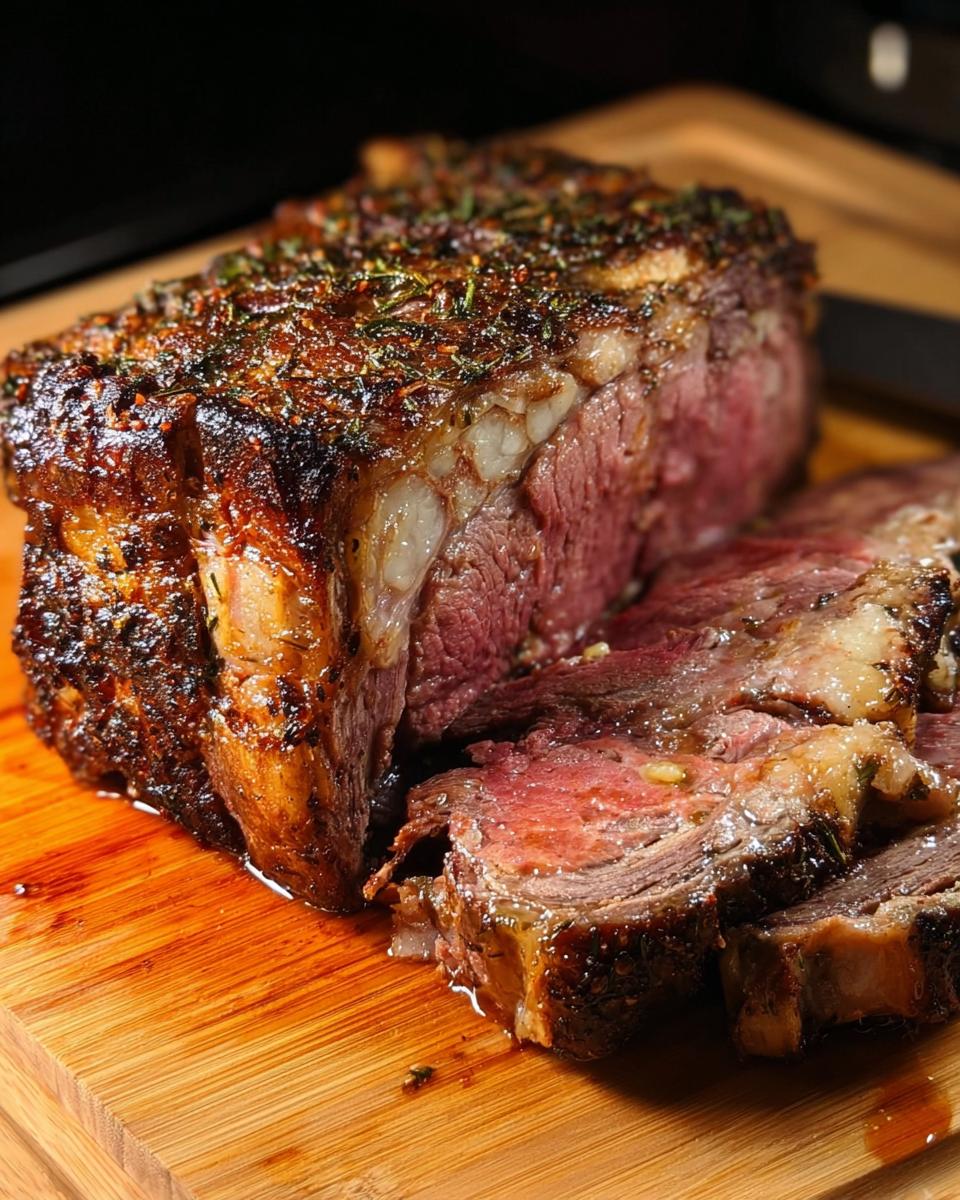
This next step makes people nervous, but listen to me: you MUST let it rest. If you slice into that roast immediately, all those delicious, steamy juices you worked so hard to create will just run onto your cutting board. We want them staying right inside the meat!
Once it hits temperature, carefully transfer the roast to a cutting board. Tent it *loosely* with foil—I mean loosely, just draping it over the top so it traps the heat but doesn’t steam the crust we worked so hard to build. You need to let it chill out for a solid 15 minutes. This resting time lets the muscle fibers relax and reabsorb all that juice. Trust me, this waiting period is mandatory for that tender bite. You can use this time to mix up that finishing butter or start pouring wine for everyone!
For some extra insight from another chef on roasting, check out this great article on how to make a perfect prime rib.
Carving Tips: How To Cut A Prime Rib Roast Perfectly
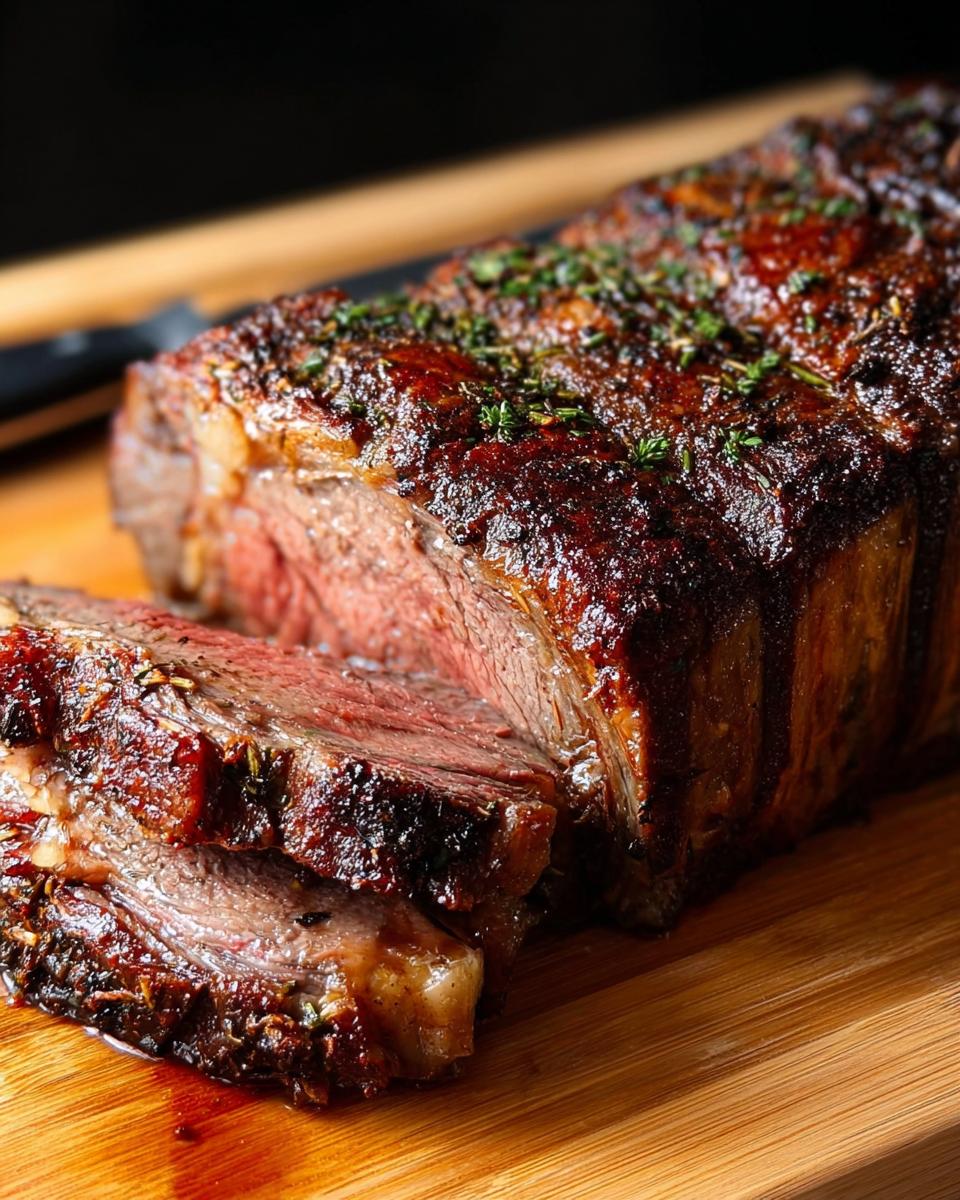
After all that waiting and resting—and trust me, that rest made all the difference—it’s finally time for the big reveal! This is where we show off what we’ve managed to create. When you are figuring out How To Cut A Prime Rib Roast, the number one thing you absolutely must remember is the grain of the meat.
If you cut with the grain, you get long, stringy, chewy pieces, no matter how perfectly cooked the roast is. Nobody wants that! You need to slice against the grain. Look closely at the roast; you’ll see the muscle fibers running one direction. Your goal is to use your super-sharp knife and slice perpendicular to those lines.
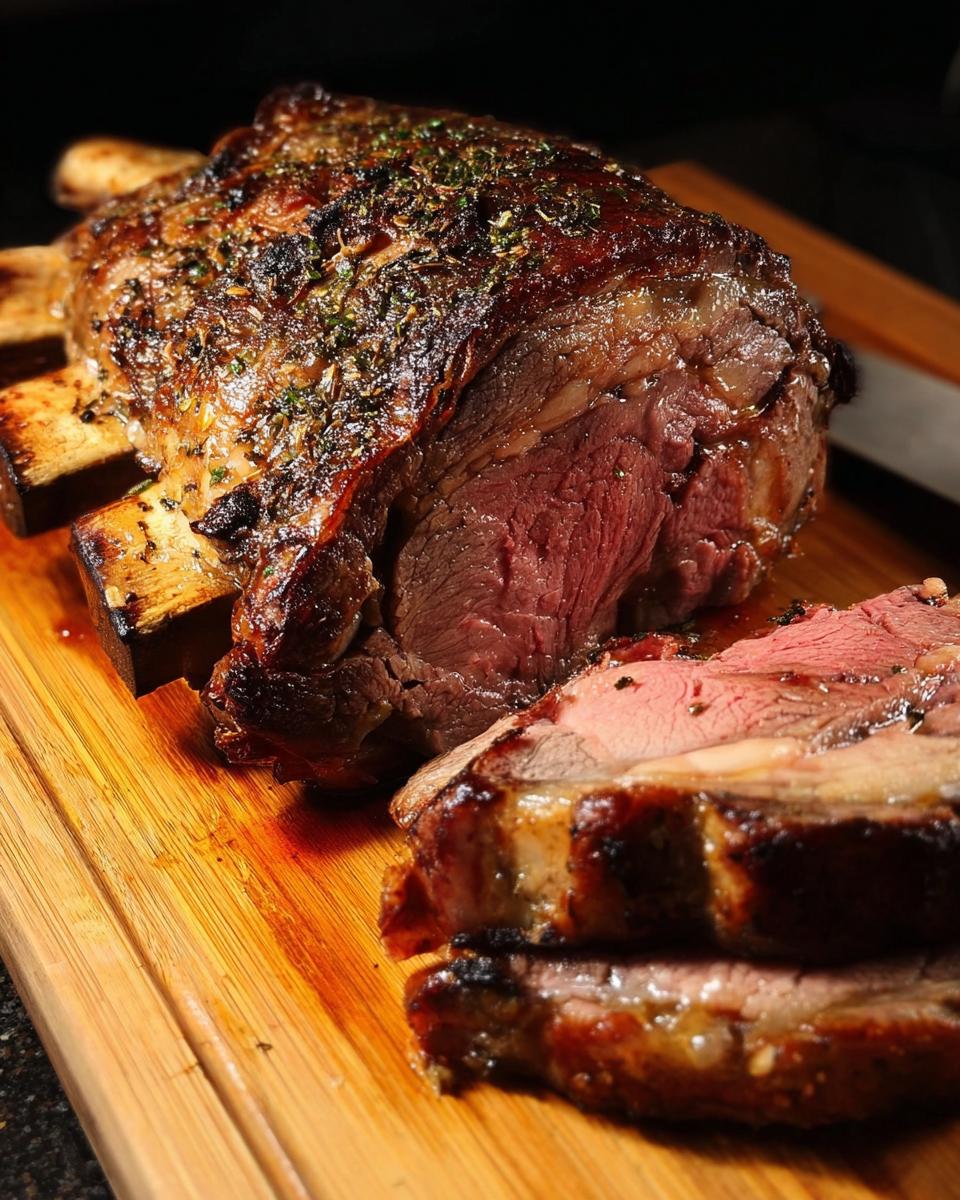
If you have a bone-in roast, gently run your knife between the bones and the meat first. This lets you get nice, even slices. We want beautiful, uniform pieces that melt in your mouth. Take your time here; nobody is rushing you now! Serve these wonderful slices immediately, maybe alongside some amazing creamy sides you whipped up. This final step transforms your big roast into those amazing individual portions of beef!
For more cooking confidence, check out my tips on making restaurant-style dinner ideas that you can manage right here at home!
Ingredient Notes and Substitutions for Prime Rib for Christmas Dinner — Step-by-Step Plan
So, you’ve got the recipe down, but maybe you’re staring into your spice cabinet and thinking, “Uh oh, I’m out of fresh thyme!” Don’t panic! Part of being a confident home cook is knowing how to pivot gracefully when you’re in the middle of preparing your enormous Prime Rib for Christmas Dinner — Step-by-Step Plan.
The core of this flavor profile comes from the fresh herbs, but dried herbs absolutely work if you know the conversion rate. Generally, dried herbs are more potent than fresh ones. My general rule of thumb for almost any herb, like that gorgeous rosemary, is to use about one-third the amount you would use fresh. So if the recipe calls for 2 tablespoons of fresh rosemary, you’ll swap that out for about 2 teaspoons of dried. Same goes for thyme!
But what if you’re out of olive oil for the base rub? You need something to help that seasoning mixture stick to the meat, and you need a little fat to help conduct the heat during that initial sear. You can totally use melted butter instead of olive oil! It will actually give you a slightly richer flavor on the crust, which is never a bad thing when you’re cooking beef this gorgeous. Just make sure it’s melted enough to be liquid when you rub it on.
Another question I always get is about the mustard. If you’re not feeling the Dijon mustard in the finishing butter, or maybe you just don’t have any on hand, you can skip it entirely! Honestly, the butter alone is rich and delicious. If you really want that acidic pop without the mustard, a tiny drizzle of lemon juice into the softened butter when mixing would work in a pinch, though I prefer to stick to the basics when dealing with a centerpiece this good. If you want more inspiration on adjusting ingredients for these big dinners, I have a great guide on ingredient swapping and temperature tricks!
Tips for Success When Making Prime Rib for Christmas Dinner — Step-by-Step Plan
I’ve shared the main steps with you, but now I want to give you the little secrets—the things I learned after burning a few roasts or cutting them too soon! These final tips are what take your Prime Rib for Christmas Dinner — Step-by-Step Plan from “really good” to “I’m telling Grandma how you did it good!”
My biggest, non-negotiable expert tip is this: Let the roast relax before it ever sees the oven. Take that gorgeous piece of beef out of the fridge at least two hours before you plan to season it and put it in the oven. Letting the meat come up closer to room temperature ensures that the heat penetrates evenly. If you put a fridge-cold roast right into that 450°F blast, the outside will cook way too fast while the center stays frosty, leading to an uneven temperature band down the middle.
Secondly, let’s talk about that roasting pan. If you happen to have a V-rack or even a small wire rack that fits inside your pan, use it! I mentioned resting it on the bones if it’s bone-in, but if you have a boneless roast, getting it elevated off the direct bottom of the pan is huge. Why? Because when the fat renders and the juices drip down, if the meat is sitting directly in that liquid, it ends up stewing the bottom instead of roasting it evenly. We want all-around crispiness, not a soggy bottom!
And finally, when you are checking the temperature, don’t just stab it wherever you can reach. Try to find the absolute deepest part of the meat, usually near the center, and insert that thermometer probe into the side so the tip rests right in the thickest part, making sure you aren’t touching any bone—bones conduct heat differently and will lie to you! If you follow these little moves, you are set up for the best holiday meal ever. You can read more on creating crispy and juicy dinners here!
Storage and Reheating Instructions for Leftover Prime Rib
Oh, leftovers! That’s sometimes the best part of the whole holiday, isn’t it? Having perfectly cooked prime rib ready to go for lunch the next day is just the best reward. But you have to store it right, or that gorgeous medium-rare turns into dry, sad, grayish meat by the time Monday rolls around.
When you’re cleaning up after dinner, make sure you let any remaining meat cool down just a touch, but don’t leave it sitting on the counter for hours! We want to keep it safe. Get any remaining roast into an airtight container. I mean really seal it up. If you don’t have containers, heavy-duty aluminum foil wrapped tightly works too. Generally, this beef stays lovely and safe in the fridge for about three to four days. Any longer than that, and you really risk compromising that amazing flavor and texture we worked so hard to achieve.
Now, reheating is the tricky part. You do not want to blast those beautiful slices in the microwave! That’s instant rubber texture. For the best results, I always recommend reheating them low and slow. Set your oven to a very gentle 250°F (about 120°C). Place your slices snugly in a small baking dish, and here’s the secret weapon: pour just a little bit of beef broth, water, or even the leftover pan drippings right into the bottom of the dish. You want the liquid level to come just up the side of the meat, not cover it!
Cover that dish tightly with foil and let it warm through for about 10 to 15 minutes. The steam from the liquid keeps the meat moist and tender while the low oven temperature gently brings it back up to eating temperature. If you’re only reheating one or two slices, a quick pan-sear for just 30 seconds per side in a hot skillet is also phenomenal. You just want to kiss the meat with high heat, not cook it further.
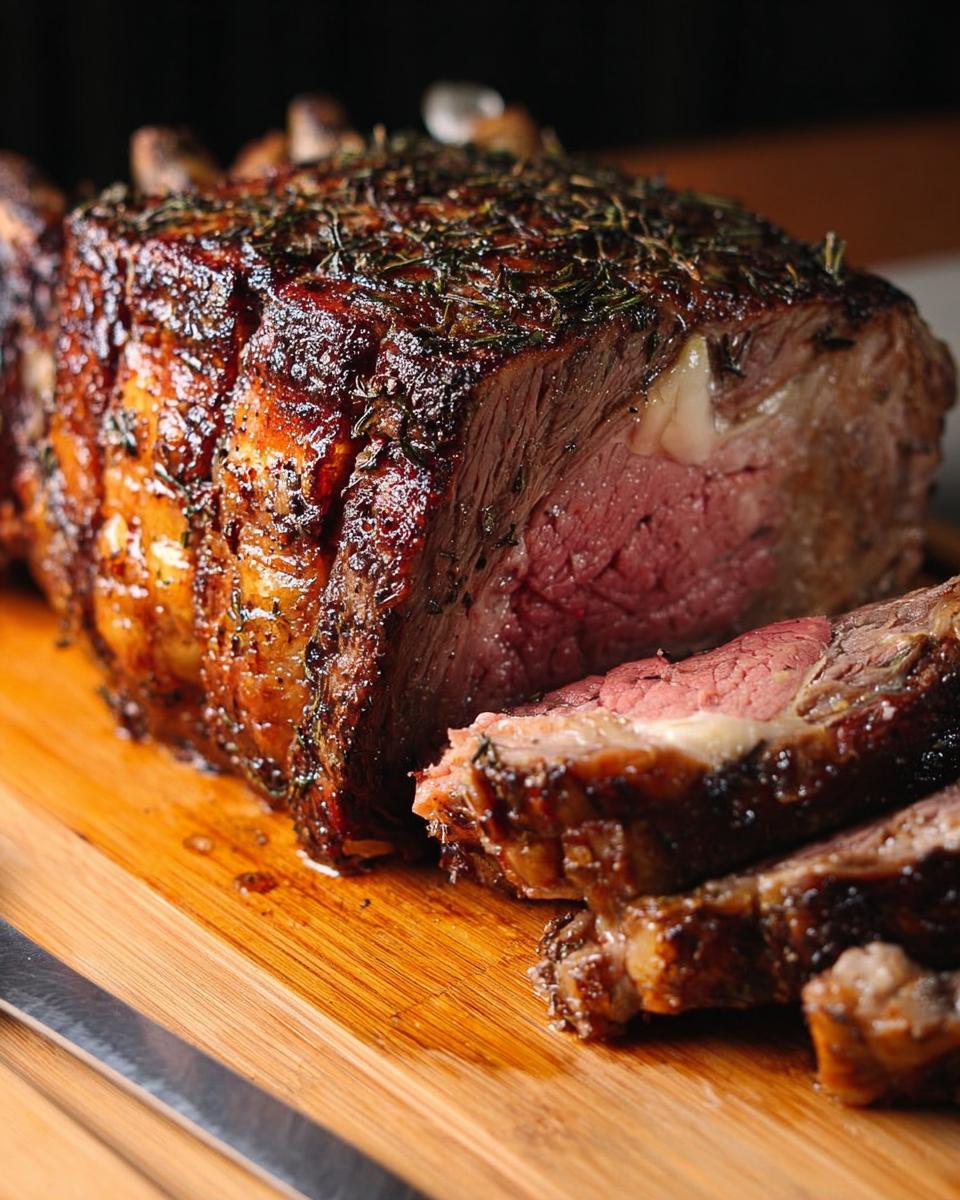
For more tips on making leftovers last longer and getting them ready for weeknight meals, you should check out my guide on meal prep-friendly dinner ideas. Happy eating!
Frequently Asked Questions About Your Prime Rib for Christmas Dinner — Step-by-Step Plan
I know you’ve had a lot of information thrown at you here, but don’t worry! It’s totally normal to have a few lingering questions before you commit to making this showstopper. These are the common sticking points people have when learning How To Roast Prime Rib for the first time. I’ve bundled up the best answers so you feel totally ready for Christmas Day!
What is the best internal temperature for a prime rib?
For me, the magic zone is medium-rare, which means pulling your roast out when the thermometer hits 120–125°F (49–52°C). Remember, it keeps cooking while resting! If you are serving a large crowd with varied preferences, aim a little lower, like 118°F, so that when it rests, it settles perfectly into the 125°F medium-rare sweet spot. Don’t be tempted to take it to 140°F; that’s where the delicious juices start saying goodbye!
Do I have to do the initial high-heat sear if I choose a long, slow roast?
Technically, no, you don’t *have* to sear if you are committed to a long, slow roast at 325°F the entire time. However, I truly recommend that initial 15-minute blast at 450°F! That blast creates the Maillard reaction—that beautiful browning and crust development that makes the exterior flavorful. Skipping it means you end up with a more uniformly pink roast, but you lose that fantastic, savory crust on your Standing Prime Rib Roast.
Can I prep my Standing Prime Rib Roast ahead of time?
Yes, you absolutely can! About 12 to 24 hours before you plan to cook, get the meat dry, apply your oil and rub mixture, wrap it tightly in plastic wrap, and put it in the fridge. Keeping it cold overnight helps the salt penetrate deeply, which seasons the meat through and through. Just make sure you still take it out of the fridge about two hours before it goes into that hot oven so it can come up to room temperature for even roasting!
If you have more cooking questions, I always love hearing from you over on my main recipes page!
Serving Suggestions for Your Holiday Prime Rib Meal
Wow, you managed to roast the perfect beef! Congratulations! Now we have to make sure the supporting cast is just as dazzling as that magnificent roast. A centerpiece this grand deserves side dishes that really sing alongside it, but doesn’t overwhelm the gorgeous flavor of that meat, right?
When I think about what goes perfectly with juicy prime rib, I immediately go for creamy textures to soak up those flavorful pan drippings. Forget the fancy sauces—the natural juices from the roast and that finishing butter are usually all you need!
Potatoes are a must, of course. You can go classic with creamy mashed potatoes, or if you want something a little more rustic, roasted smashed potatoes are fantastic because you can toss them in the oven toward the end of the roasting time. They get crispy edges and soft, fluffy insides. Always a winner!
Vegetable Pairings
We need some green on that plate to feel like a balanced meal! Roasted asparagus is quick, elegant, and takes up hardly any counter space when you’re busy with the roast. Just toss it with a little olive oil, salt, and pepper, and roast it hot and fast.
But if you want something that actually feels like a special holiday side dish, you have to try my one-pan green bean recipe. They cook up tender-crisp on a sheet pan, so cleanup is a dream. Honestly, anything that cuts down on washing bowls on a busy holiday night is a win in my book!
Don’t Forget the Horseradish!
This is less of a side dish and more of an absolute necessity when serving roast beef. While we made that lovely finishing butter, most folks still need that spicy kick from horseradish against the richness of the prime rib. You can buy a jarred condiment, but if you have the time, mixing freshly grated horseradish with a touch of vinegar and sour cream elevates the whole experience. It wakes up your palate between bites of that rich, incredible meat!
Share Your Prime Rib for Christmas Dinner — Step-by-Step Plan Success
Well, that’s it! You’ve done the hard work, and I hope the whole process of following this Prime Rib for Christmas Dinner — Step-by-Step Plan felt rewarding, not stressful!
I’d absolutely love to hear how it went for you! Did you nail that perfect internal temperature? Please take a moment to leave a quick rating below and drop a comment telling me about your festive meal. If you snapped a picture of that gorgeous roast, share it on social media and tag me—seeing your successes is why I love sharing these heirloom recipes! Don’t forget to browse the rest of my recipes for your next kitchen adventure.
Happy holidays, and enjoy every single amazing bite!
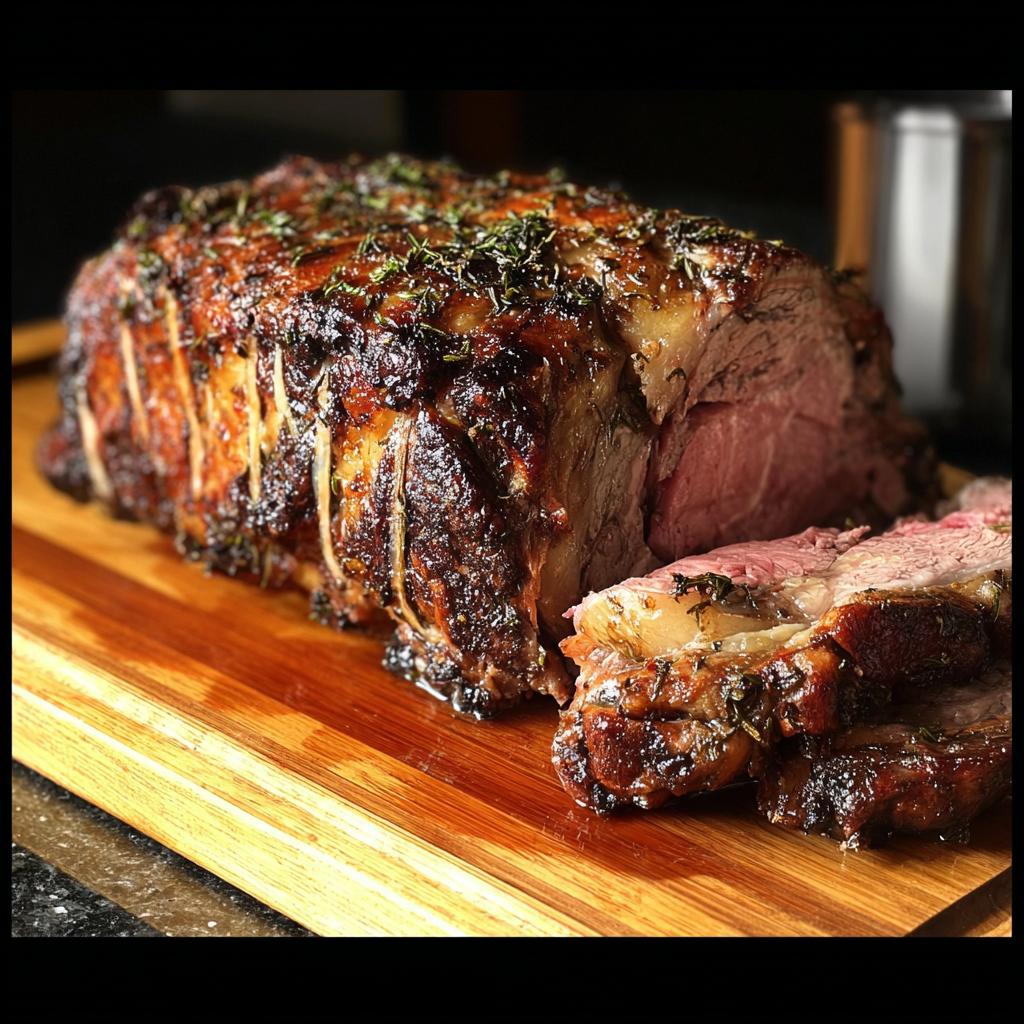
Prime Rib for Christmas Dinner — Step-by-Step Plan
Ingredients
Equipment
Method
- Preheat your oven to 450°F (230°C). Pat the prime rib dry with paper towels.
- In a small bowl, combine the minced garlic, chopped rosemary, chopped thyme, coarse salt, black pepper, and smoked paprika. Mix well to create a paste.
- Rub the prime rib roast all over with the olive oil, then generously coat it with the herb and spice mixture. If using, spread the Dijon mustard over the roast.
- Place the seasoned roast, fat-side up, in a roasting pan. If your roast is bone-in, you can rest it on the bones.
- Roast at 450°F (230°C) for 15 minutes. Then, reduce the oven temperature to 325°F (160°C) and continue roasting for about 13-15 minutes per pound, or until a meat thermometer inserted into the thickest part of the roast (not touching bone) registers your desired temperature.
- For medium-rare, aim for an internal temperature of 120-125°F (49-52°C). For medium, aim for 130-135°F (54-57°C).
- Once the roast reaches the desired temperature, remove it from the oven and transfer it to a cutting board. Tent it loosely with foil and let it rest for 15 minutes before carving. This allows the juices to redistribute, resulting in a more tender and flavorful roast.
- While the roast is resting, mix the softened butter with any pan drippings if desired. You can serve this as a compound butter or use it to make a simple gravy.
- Carve the prime rib against the grain using a sharp knife. Serve immediately with your favorite side dishes.