Ingredients
Equipment
Method
- Prepare your equipment: Line a 20 cm (8-inch) round cake pan with parchment paper. Preheat your oven to 150°C (300°F) and set up a water bath inside the oven. The water should reach about halfway up the sides of the cake tin for even baking and to prevent cracks.
- If you are using a loose-base pan, wrap it thoroughly with aluminum foil to prevent water from seeping in.
- If your sugar has large granules, pulse it in a blender to make it superfine, then measure the required amount. Separate the eggs into yolks and whites.
- In a saucepan over low heat, combine the cream cheese, butter, and milk. Stir until the mixture is completely smooth, then remove from heat.
- Sift the cornstarch, salt, and flour into the cream cheese mixture. Stir until the batter is smooth and free of lumps.
- Add the egg yolks to the cream cheese mixture one at a time, mixing thoroughly after each addition.
- In a separate bowl, use a stand mixer or hand mixer to whip the egg whites on low speed. Gradually add the sugar, one tablespoon at a time, increasing the mixer speed as you go. Continue until the mixture forms soft peaks.
- Gently fold the whipped meringue into the cream cheese batter using a rubber spatula. Ensure the mixture remains light and fluffy.
- Pour the batter into the prepared cake pan and place it in the water bath. Bake at 150°C (300°F) for 30 minutes with the oven door closed. Then, continue baking for another 20 minutes with the oven door slightly open. Finally, bake for an additional 20 minutes with the oven door closed. Use a digital oven thermometer if available to confirm accuracy.
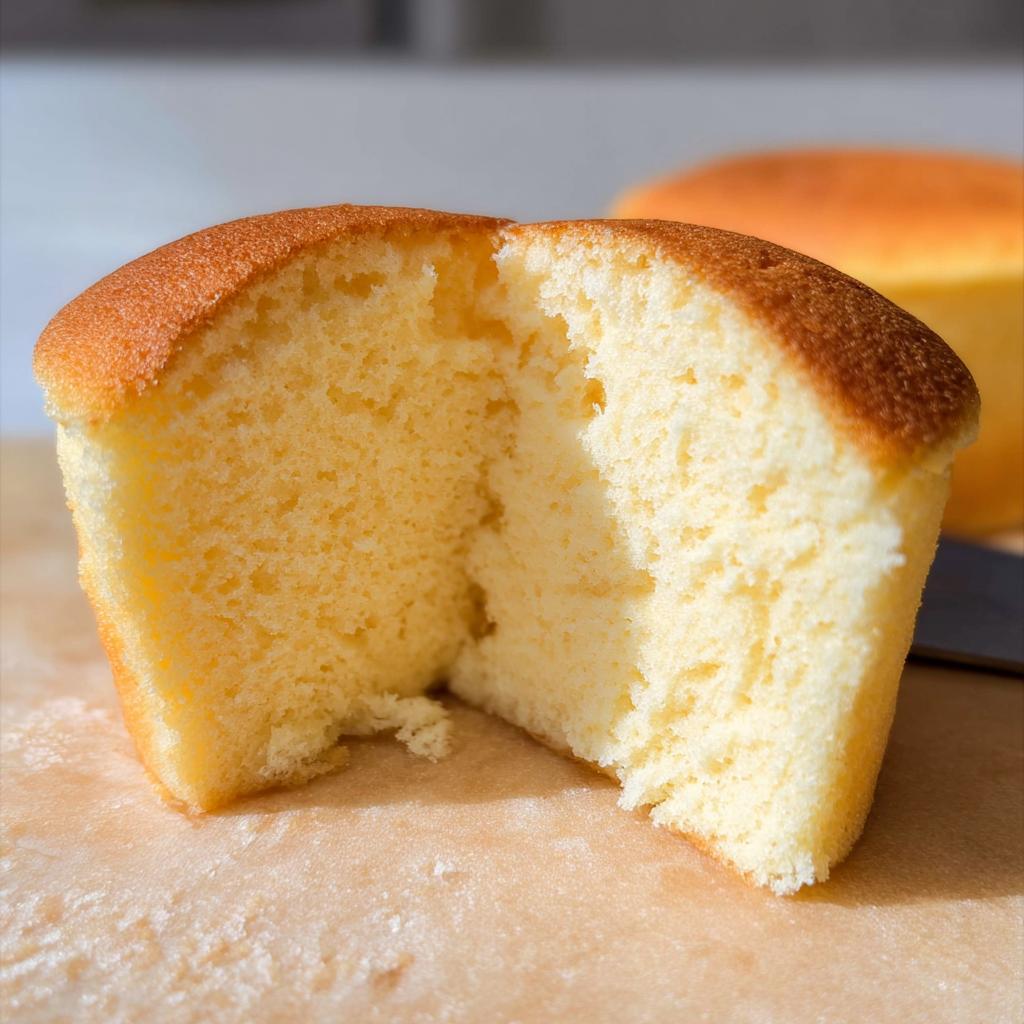
- Monitor the cheesecake as it bakes. Aim for a gentle rise to avoid cracking. The top should be golden brown, fully colored but not burnt. Adjust the temperature if needed.
- To check for doneness, the cheesecake should have a golden-brown top, a slight jiggle in the center, and feel soft and springy to the touch. This may require some experimentation with your oven.
- Once baked, carefully remove the cheesecake from the oven. Flip it onto a plate, then flip it back onto another plate to maintain its shape.
- Serve immediately while warm and jiggly. Store any leftovers in the refrigerator for up to 2–3 days. The airy texture is best enjoyed fresh.
Nutrition
Notes
Use unsalted butter and add salt separately. Full-fat cream cheese and milk are recommended. Pastry flour with low protein content is ideal. Ensure no egg yolk gets into the egg whites when separating them, as this can prevent the whites from whipping properly. While eggs are easier to separate when cold, allow separated whites and yolks to reach room temperature before mixing for better incorporation. Be careful not to overwhip the egg whites; aim for soft peaks, as stiff peaks can create lumps. When folding the meringue, use a rubber spatula to cut through the center and sweep along the sides of the bowl, lifting gently. Rotate the bowl with each fold, working firmly but gently to keep the batter airy. A common cause of cheesecake cracking is an oven temperature that is too high, causing the cheesecake to rise too quickly. A water bath creates a gentle, consistent heat, helping the cheesecake bake evenly, reducing the risk of cracking, drying out, or curdling, and maintaining a moist texture for a smooth finish.